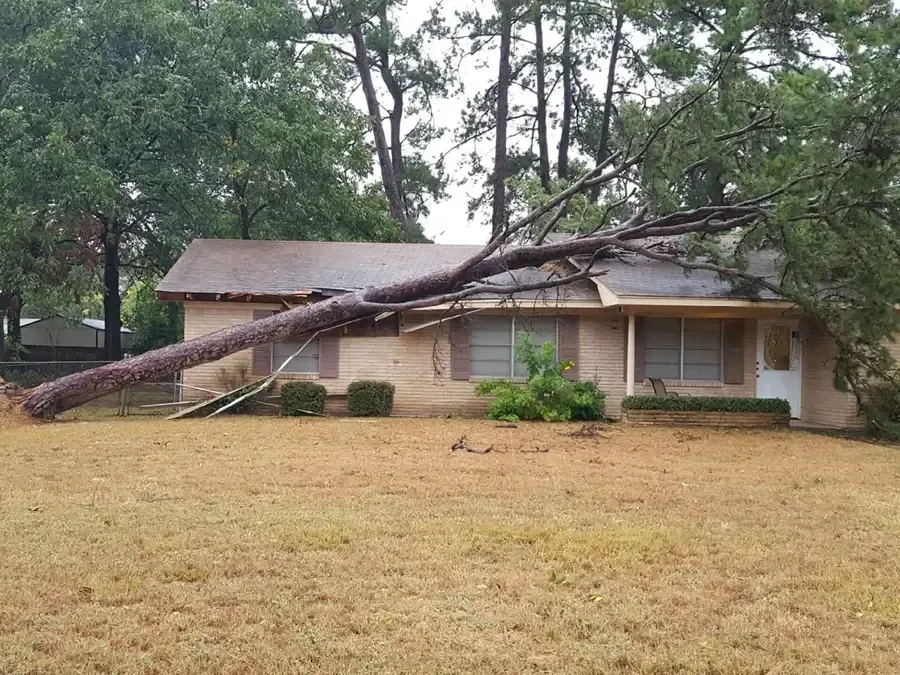
Rain in this part of the Portland metro area is a season, not an event. With about 48 inches a year, a roof has plenty of chances to fail, and the first sign is often a drip, a stain or a bubble in a ceiling.
Key takeaways
- A ceiling stain is where the water showed up, not always where the roof is leaking.
- Place a bucket under a drip and relieve a bulging ceiling by puncturing it carefully to drain.
- Turn off power to a wet ceiling light or fan before anything else.
- Photograph the damage and the weather conditions for insurance.
- The roof repair and the interior drying are separate jobs that both need to be finished.
Why the stain is rarely under the leak
Water entering a roof follows rafters, sheathing and insulation before it drips. The stain on the ceiling can be several feet from the opening in the shingles.
That is why finding the source takes patience. A leak around a vent, a chimney or a skylight often shows up in a ceiling away from that feature.
Wind-driven rain adds another path. Water can be pushed sideways under shingles and over flashing that sheds ordinary rain without trouble.
- Roof vents and plumbing stacks with worn seals.
- Flashing around chimneys and walls.
- Damaged or missing shingles after wind.
- Clogged gutters that back water under the edge.
What to do when water is dripping
The first goals are safety and containment. Water in a ceiling can be heavy and can come through suddenly.
Safety and power
If water is dripping near a light fixture, ceiling fan or outlet, the circuit should be turned off at the panel. Standing under a ceiling that is sagging or bulging is risky.
Catch and relieve
A bucket or a large bowl catches the drip. A bulging ceiling can hold a lot of water, and a small hole at the lowest point lets it drain into a bucket.
Plastic sheeting under the bucket and over nearby furniture keeps splashes off finished surfaces. A damp towel pressed against the base of the ceiling can slow a stain that is spreading along the wall.
- Place a bucket under the drip and a towel under the bucket.
- Move furniture, rugs and electronics out of the room.
- Poke a small hole in a bulge and let the water drain.
- Photograph the stain, the drip and the weather.
Reaching the roof safely
The roof is not a place to climb in a storm. Wet shingles are slippery, and high wind makes a fall more likely.
A temporary cover, such as a tarp, can wait until conditions are safe. A roofer or the crew handling the roof leak water damage can set it, and the repair follows when the weather allows.
From inside, a flashlight in the attic during a rain can show the wet spot directly. Water running along a nail or rafter, or a dark patch on the underside of the sheathing, points to the opening.
Roofers and restoration crews do different jobs. The roofer stops water from entering from above, while the restoration crew removes and dries what got wet, and the two jobs should be scheduled in a sensible order.
What the wet attic and ceiling hold
Above the stain, insulation soaks up water like a sponge. It holds that water against the drywall, and the ceiling continues to stain even after the roof stops leaking.
Wet insulation is often removed, because it dries slowly and loses its ability to insulate. Any water that pooled on a floor below is pumped or vacuumed out first, as in water extraction.
The wood framing above is checked with a moisture meter.
Attic spaces vary, and some are hard to reach. Cramped or insulated attics are best left to the crew, who know where to step so the ceiling below is not damaged.
- Wet insulation is bagged and replaced.
- Stained or sagging drywall is cut out.
- Framing and sheathing are dried with air movement.
- The attic is checked for other wet spots.
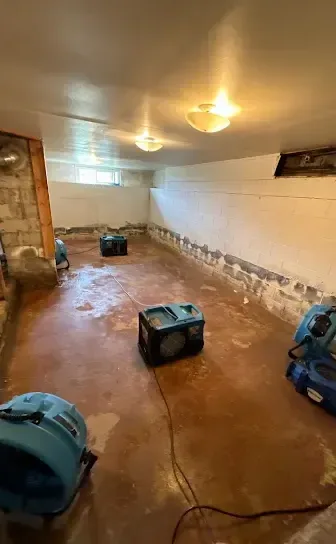
Why the ceiling work is its own stage
Once the roof is covered, the interior needs attention. Ceiling leak water damage work removes damaged drywall, dries what remains and prepares the ceiling for repair.
A ceiling that is painted over without drying will stain again. The stain returns because the moisture is still inside.
A repair done too soon can trap water. The ceiling is closed once the readings show that the framing above is dry.
The same attention applies to light fixtures and fans in a wet ceiling. They can hold water in their housings, so they are taken down and checked before the power is restored.
Seasonal checks before the heaviest rain
Roof leaks are cheaper to prevent than to dry. A look at the roof from the ground, ideally with binoculars, finds many problems before the wet season peaks.
The attic gets the same treatment. Daylight coming through the sheathing, stained wood or flattened insulation shows where water has been.
Gutters and downspouts also belong on the list. When they clog, water backs up under the roof edge and rots the wood there.
- Look for missing, curled or cracked shingles.
- Check flashing around chimneys and vents.
- Clear gutters and downspouts of leaves.
- Inspect the attic for daylight, stains or damp insulation.
- Trim branches that rub the roof.
The housing context in the area
Housing units here grew from 1,500 in 2000 to 8,081 in 2020, so most roofs are newer than the roofs in an old neighborhood. A newer roof can still fail, particularly at flashing, vents and places where trades cut through it.
Warranty papers and the build date can help an owner decide who to call about the roof.
Owners who rent should tell the landlord about the leak in writing right away, with photos attached. That creates a clear record of when the problem began.
Keeping notes for the insurer
A roof leak claim depends on cause and timing. Notes taken at the time are the best record.
- Write down when the leak began and the weather that day.
- Photograph the ceiling, attic and roof from the ground.
- Keep receipts for tarps, buckets and temporary repairs.
- Save removed insulation or drywall samples if asked.
Questions
Why is the ceiling stain not under the hole in the roof?
Water travels along rafters and insulation before it drips, so the stain can be some distance from the opening.
Should a bulging ceiling be popped?
A small hole at the lowest point lets trapped water drain into a bucket, which is safer than waiting for the whole section to fall. Power to nearby fixtures should be off first.
Is it safe to go on the roof in the rain?
No. Wet shingles are slippery. A temporary cover can be placed when conditions allow.
Does the ceiling need to be replaced?
Stained or sagging drywall usually is. Dry drywall with a small stain can sometimes be treated and painted after the area is checked.
How much rain does the area average?
A recorded average of 48 inches a year, which is a lot for the Portland metro area.