Damascus, OR Water Damage Restoration
Water on the floor in Damascus gets pumped out, measured and dried by a restoration crew that works around Highway 212, Rock Creek and the neighborhoods nearby, with every reading logged.
(888) 373-8814Call for a drying crew nowBurst pipes, sump overflows, roof leaks and sewage backups all call for the same two moves. Stop the source, then remove the water.
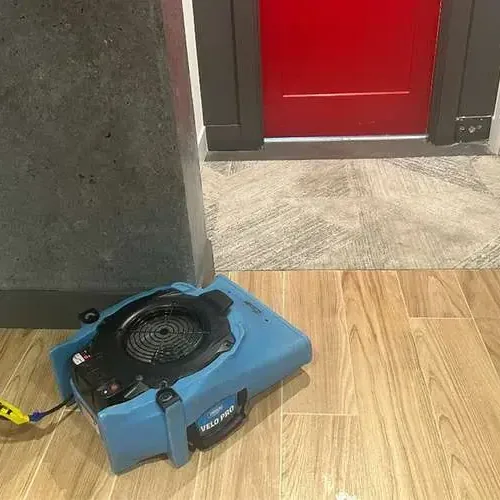
Four moves to make while the water is still spreading
Mold can begin within 24 to 48 hours on wet materials, so the first day decides how much gets dried and how much gets replaced.
- 01Stop the water
Shut the main valve or the fixture valve, switch off power to wet outlets, and keep everyone out of standing water.
- 02Call the crew
Describe what got wet and which floor it reached so the right pumps and drying units load up.
- 03Photograph everything
Take wide and close photos of damaged rooms, belongings and the source before anything is moved.
- 04Lift what you can
Raise furniture, rugs and electronics onto dry surfaces, and leave soaked drywall and flooring for the crew.
Every kind of water problem handled
From a pipe that split overnight to a sump pit that overflowed in a storm, each job gets its own plan for removal and drying.
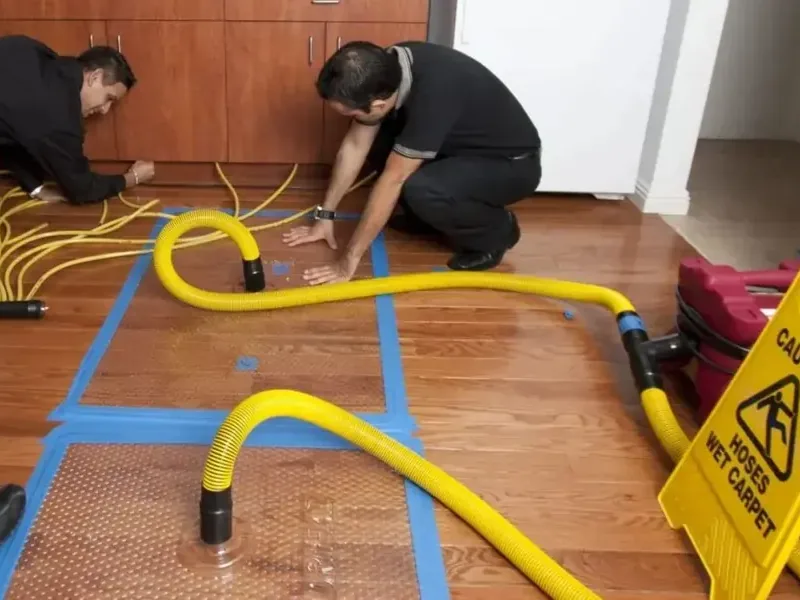 W-01Water ExtractionPumps and wands pull standing water off floors before it climbs into walls and subfloor.Open the service
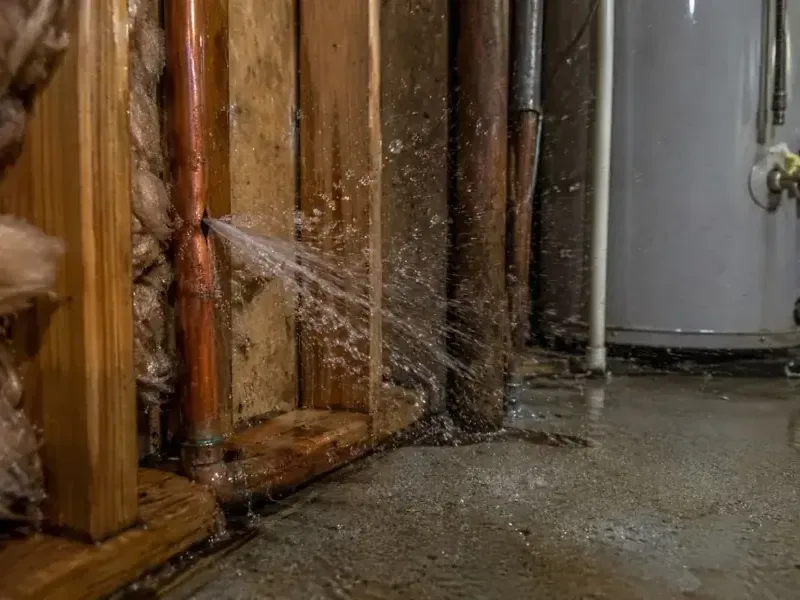 W-02Burst Pipe Water DamageA split supply pipe floods fast. Shutoff first, then removal and drying.Open the service
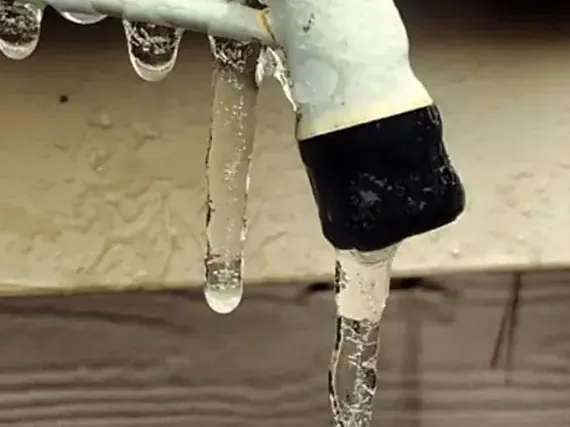 W-03Frozen Pipe Water DamageIce that thaws into a split pipe soaks floors fast, so drying starts at the break.Open the service
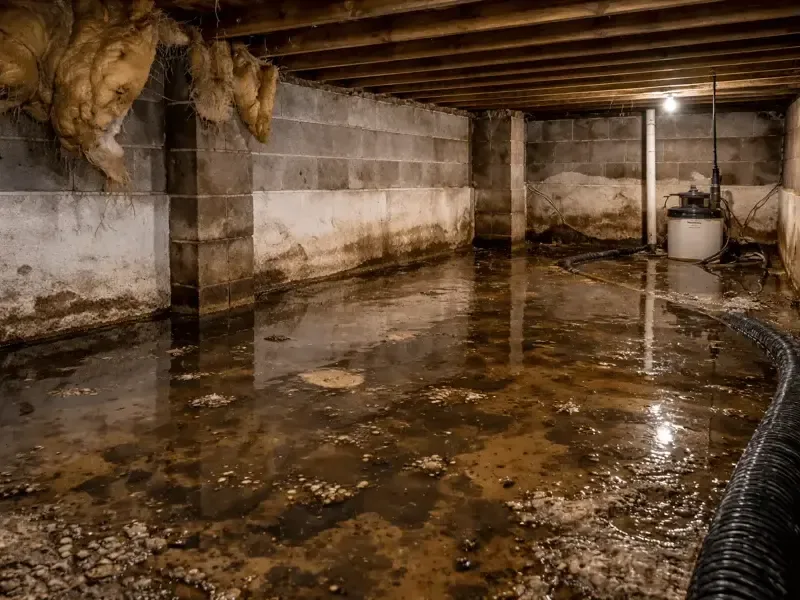 W-04Crawl Space Water RemovalStanding water under a floor gets pumped out so insulation and subfloor stop staying wet.Open the service
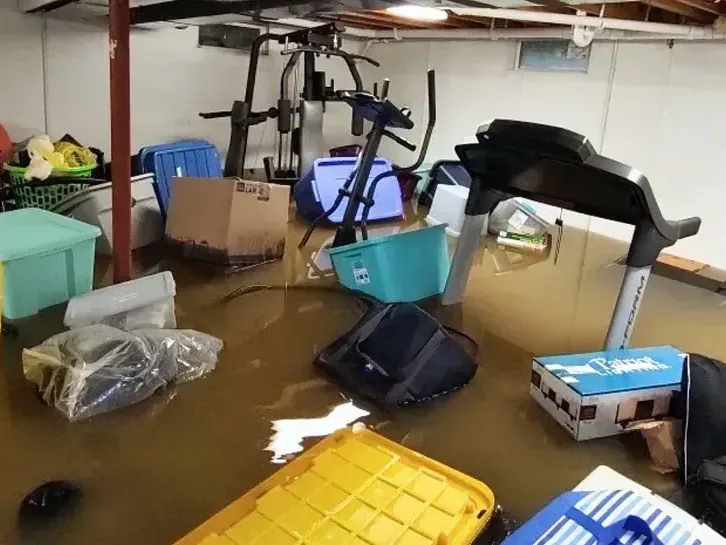 W-05Basement Flooding CleanupWhere a home has a basement, water gets pumped out and walls and flooring dry down.Open the service
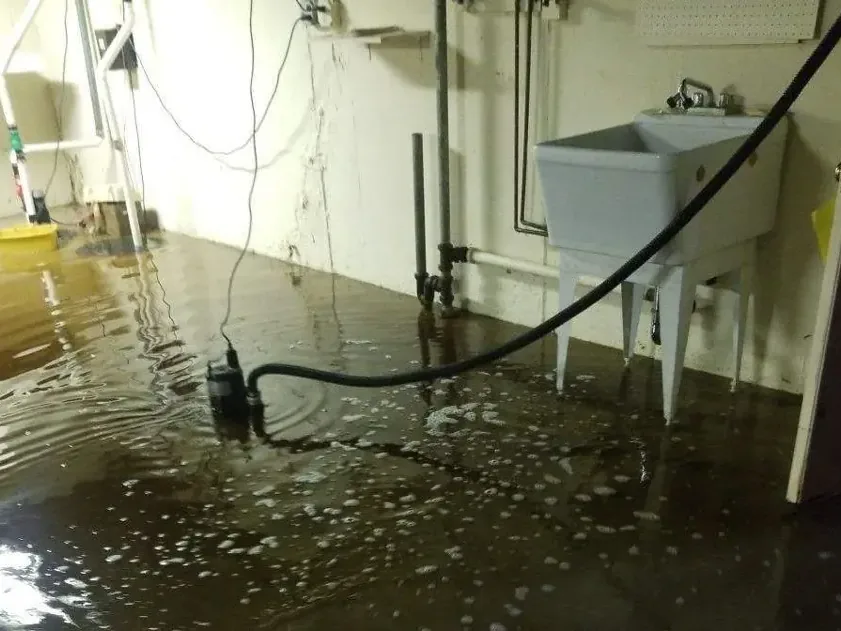 W-06Sump Pump Failure CleanupWhen a sump pump quits in heavy rain, the water that rises gets extracted and dried.Open the service
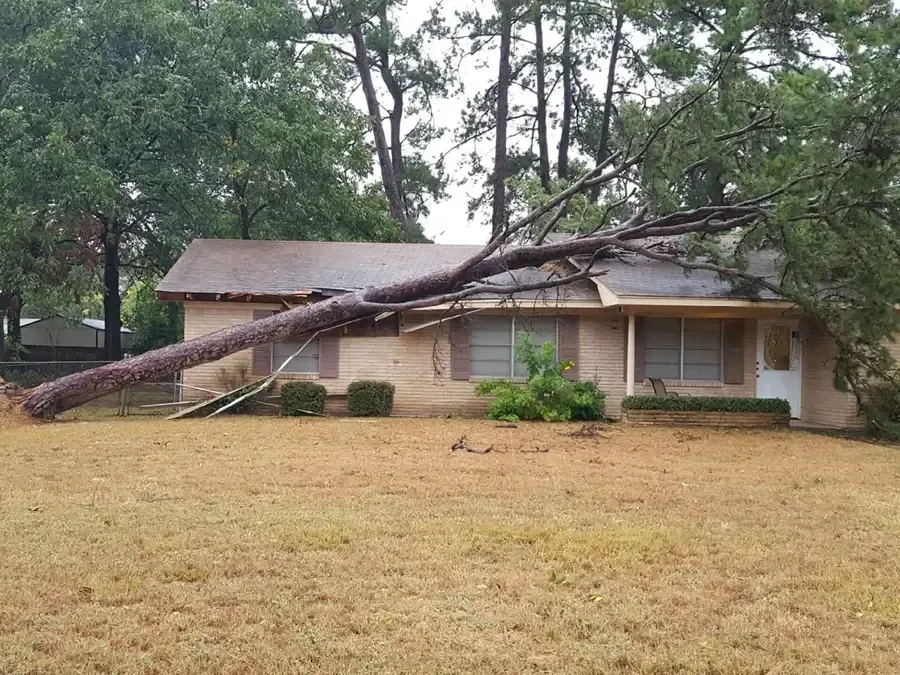 W-07Roof Leak Water DamageRain through a roof wets insulation and framing, and both need real drying.Open the service
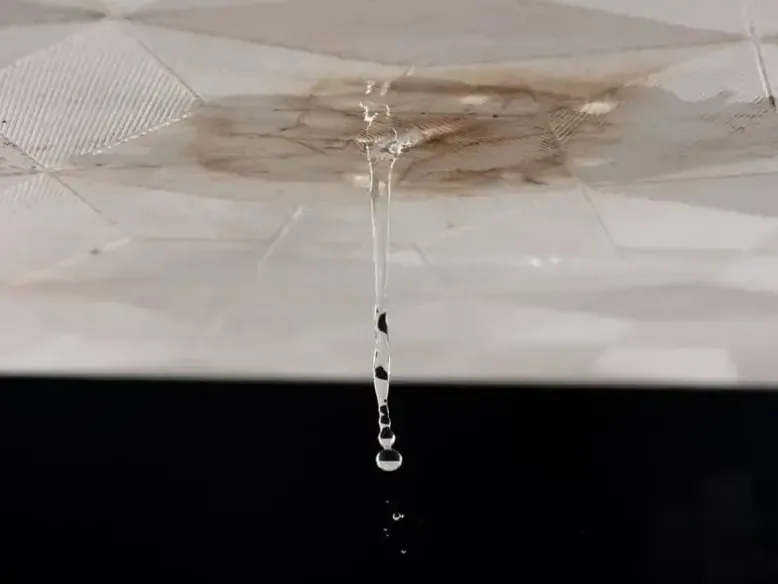 W-08Ceiling Leak Water DamageWet drywall and insulation above and below a ceiling leak are dried once the source stops.Open the service
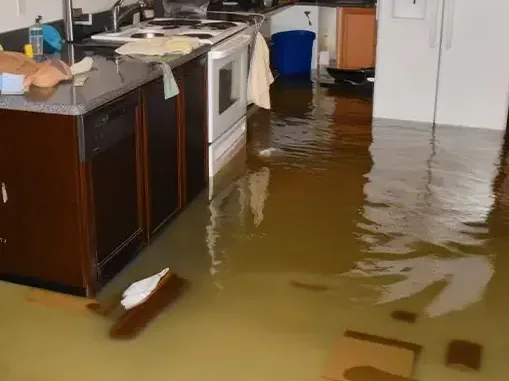 W-09Storm Water Flood CleanupHeavy rain can leave water and silt on low ground, and the crew clears both.Open the service
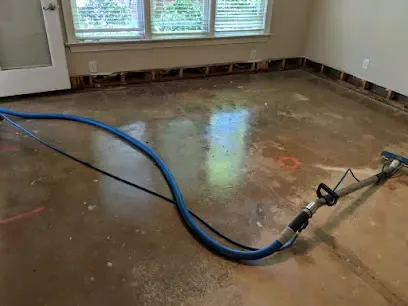 W-10Water Heater Leak CleanupA leaking tank soaks flooring and walls around it, so supply is shut off and water extracted.Open the service
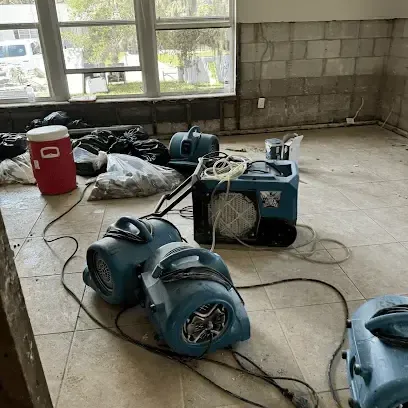 W-11Structural DryingAir movement and dehumidifiers dry framing and subfloors after the water is gone.Open the service
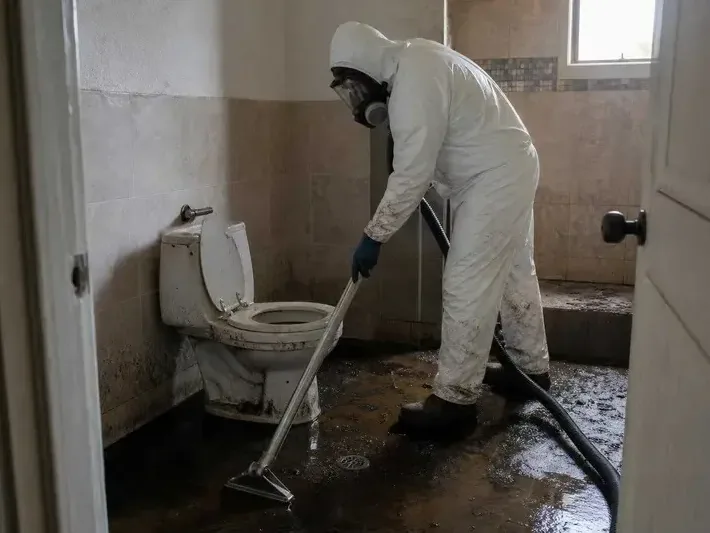 W-12Sewage Backup CleanupContaminated water gets removed and affected materials sanitized.Open the service
A drying standard that gets measured, not guessed
Every job follows the same loop of inspect, remove, dry and verify, with moisture readings written down so insurance reviewers can see the work behind every claim.
- STAGE 01
Inspect and map
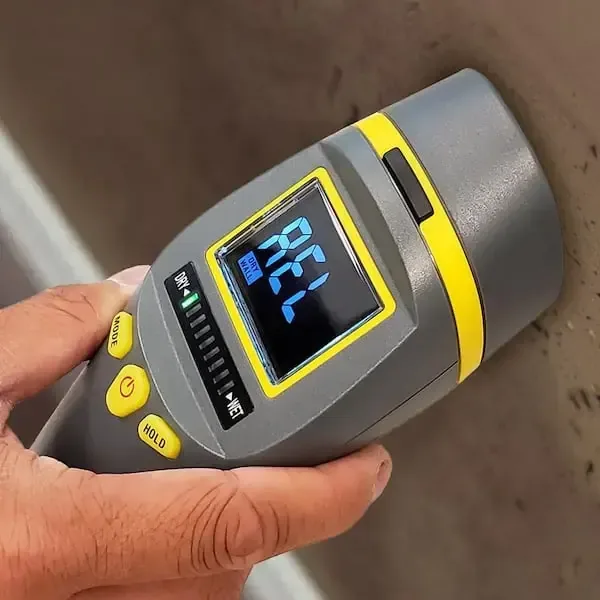
Meters and a thermal camera trace where the water traveled through floors, walls and ceilings, and the wet zone gets outlined on paper.
First reading - STAGE 02
Remove the water
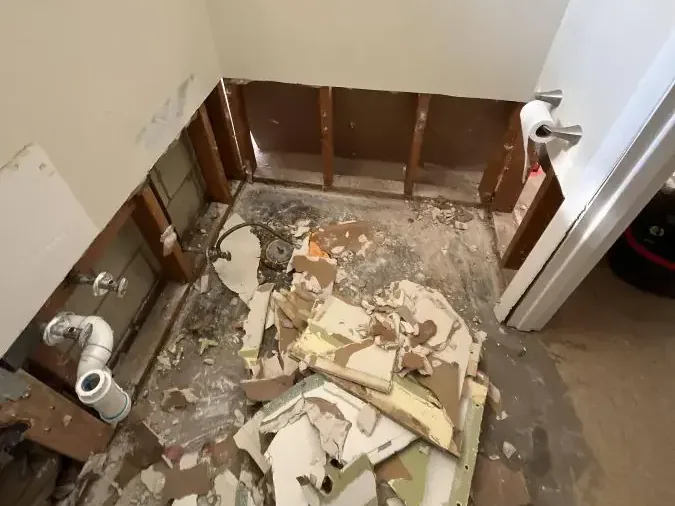
Pumps and extraction wands pull standing water, and soaked padding or drywall that cannot dry gets bagged out and hauled away.
Water pulled - STAGE 03
Dry the structure
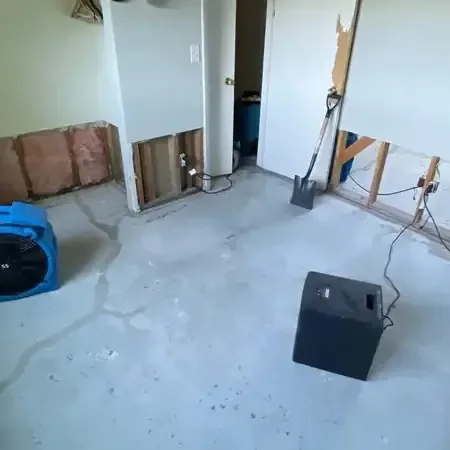
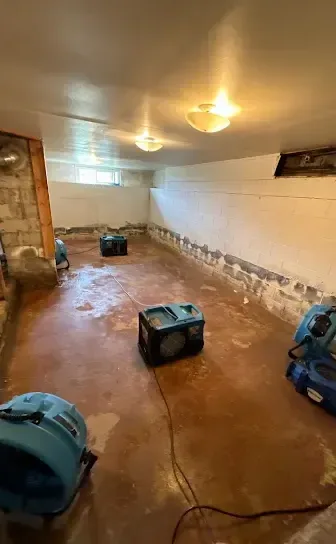
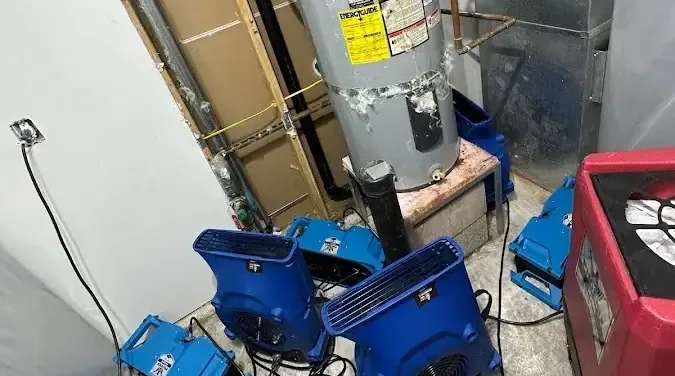
Air movers and dehumidifiers run on framing, subfloor and wall cavities, with readings taken at each visit until the materials reach target.
Halfway dry - STAGE 04
Verify and document
Final readings are compared with the dry goal, then a report with photos goes to the homeowner and the adjuster.
Dry standard met
A crew that explains each step
Clear numbers, plain explanations and photo records keep a water loss from turning into a guessing game for the homeowner or the adjuster.
Meters, not guesses
Moisture readings decide when drying stops, so walls and floors are never closed up over a damp cavity or a wet subfloor below.
Clear written scope
Each room gets listed with the materials removed, the equipment placed and the readings recorded, all in plain language.
Built around insurance paperwork
Photos, moisture logs and equipment records are organized so an adjuster can follow what happened, what was done and why.
Water and sewage only
The work stays focused on water losses and sewage cleanup, so equipment and crews match the problem at hand.
Where Damascus sits and why it matters for water
Damascus is an unincorporated community in Clackamas County, Oregon, with its original heart along Highway 212. Rock Creek crosses parts of the community, so storm runoff and burst pipes are both worth planning for. Voters approved disincorporation in 2016, and the Oregon Supreme Court reinstated that vote in 2020, leaving the area as unincorporated Clackamas County.
Clackamas County Fire District #1 protects the community and Sunrise Water Authority provides water service, which matters when a main valve or a meter is part of the problem.
Visit the Happy Valley water damage pageWhat water damage restoration usually costs here
Most local jobs land between $1,200 and $22,000 or more, depending on how many rooms got wet, the water category and how long materials sat damp before drying began. The first inspection sets the real figure for the house.
- One room or one wall affected
- Standing water pumped out first
- A few days of drying
- Walls and flooring wet through
- Wet drywall or padding removed
- Readings taken at every visit
- Whole floor or sewage involved
- Soaked materials torn out
- Extended drying with daily checks
Ranges shift with the water category, the materials involved and the equipment days needed, and every figure is confirmed in writing before work starts.
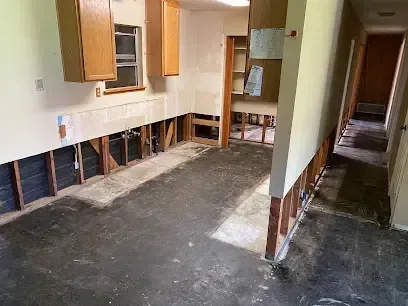
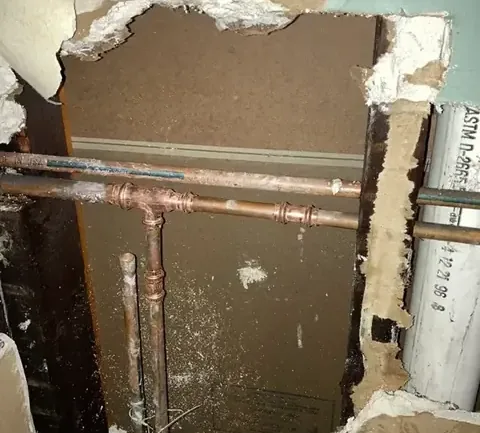
What drying and cleanup look like on site
Water damage and insurance paperwork
Most homeowner claims need proof of the loss, the cause and the work done, so the crew records each of those in one organized file from the first visit onward.
What homeowners handle first
Stopping the water, moving belongings and photographing the damage usually fall to the homeowner first, while the policy itself decides what gets paid and what does not under the coverage in place.
The crew shares its photos and readings with the adjuster on request, so the claim file matches what happened inside the walls.
- Dated photos of every wet room and item
- The cause of the loss and where it started
- Moisture readings at each visit
- Equipment placed and days run
- Materials removed, listed by room
Three kinds of water, three kinds of response
Clean water
Supply pipe and appliance leaks start clean, so fast extraction keeps them from getting worse.
See water extractionStorm runoff
Water from a failed sump pump or heavy rain carries silt and needs extra cleanup along with the drying.
See sump pump cleanupSewage water
Backups carry contamination, so affected materials come out and every surface that stayed wet gets sanitized.
See sewage cleanupWater damage help across Damascus neighborhoods
One call sends a drying crew to any Damascus street, day or night
Crews cover ZIP 97089 along Highway 212 and out through Carver, the Rock Creek area, Bohna Park and Alder Springs.
Details about the source, the rooms affected and any standing water let the right pumps, drying units and meters load before the crew heads out.
ZIP codes
Nearby places
Neighborhoods and corridors
What puts local homes at risk
Water trouble in Damascus arrives from more than one direction, from Rock Creek runoff and heavy rain to burst pipes and a public water main that once failed.
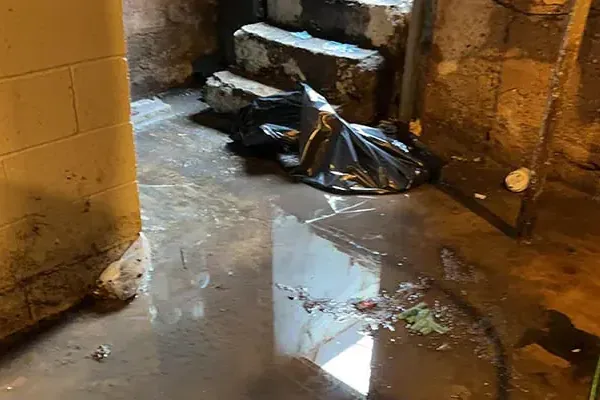
Rock Creek crosses parts of the community, and studies of its basin found runoff pollution and heavy sedimentation, so storms can leave water and silt on low ground.
The July 2017 break under Highway 212 showed how one failed main can drop pressure for about 1,500 homes and businesses at once and force a boil water notice.
Cold snaps put supply pipes at risk, and a split that thaws can flood a floor quickly, so dripping faucets and a known shutoff valve are the usual defenses.
A sump pump that fails during heavy rain lets water rise into the lowest level of a home, where it soaks walls and flooring faster than they dry on their own.
Rain that gets past a roof wets insulation and framing above the ceiling, so the damp material has to be dried and not only patched.
A water main break under Highway 212 opened a large sinkhole, closed the road and cut pressure to about 1,500 homes and businesses, and a boil water notice followed.
Common water damage questions
How fast does water damage get worse inside walls?
Water wicks into drywall, baseboards and subfloor soon after it spreads, which is why extraction and drying start as early as possible and why moisture readings steer each step, so waiting rarely saves money.
Who handles a water main break?
Sunrise Water Authority provides water service in Damascus, so a public main problem goes to that agency, while water inside the home, from a burst pipe to a flooded floor, goes to a restoration crew.
What should be done when a pipe bursts?
Shut off the water at the main or fixture valve, switch off power near wet areas, take photos of the damage and call a restoration crew to remove the water and dry the structure.
Can pipes freeze and break around here?
Water bureau advice for the Portland area says pipes can freeze or break at or below freezing, and the usual steps are letting faucets drip and knowing where the shutoff valve is, before a cold snap arrives.
Does insurance cover water damage?
Coverage depends on the policy and on the cause of the loss, so homeowners should ask the adjuster what applies, and the crew supplies photos and moisture readings to support the claim.
What if sewage comes up through a drain?
Sewage backups count as contaminated water, so people and pets should stay out, the drain should stay unused, and the affected materials need removal and sanitizing by trained crews with proper protective gear.
What happens when a sump pump fails in a storm?
Water can back up out of the pit onto the lowest floor, and pumps then extract it while dehumidifiers dry the walls and flooring that got wet. Quick extraction keeps the dampness from spreading further.
Does a roof leak need drying or just repair?
Both. A roofer stops the entry point, but wet insulation, framing and drywall stay damp until they are dried, which is the restoration crew's part of the job, and both steps are worth photographing.
How is structural drying measured?
Moisture meters check framing, subfloor and drywall at each visit, and drying continues until the readings reach the dry goal set at the start of the job, so completion rests on numbers, not appearance.
Which Damascus areas does the crew cover?
Crews work across the community, including the Highway 212 corridor, Carver, the Rock Creek area, Bohna Park and Alder Springs, as well as nearby parts of Happy Valley.
Water on the floor or in the ceiling right now?
Standing water keeps soaking into the structure the longer it sits. The crew removes it, dries everything and records each reading.
(888) 373-8814Get a crew moving now