Water Damage Restoration in Portland, Oregon
Water from a failed pipe, a heavy rain or a rising creek can soak a southeast or east side home fast. A drying crew extracts the water and dries the structure.
(888) 373-8814Call for a drying crew nowDescribe what is wet and where it came from, and the crew plans extraction, drying equipment and moisture readings for the job.
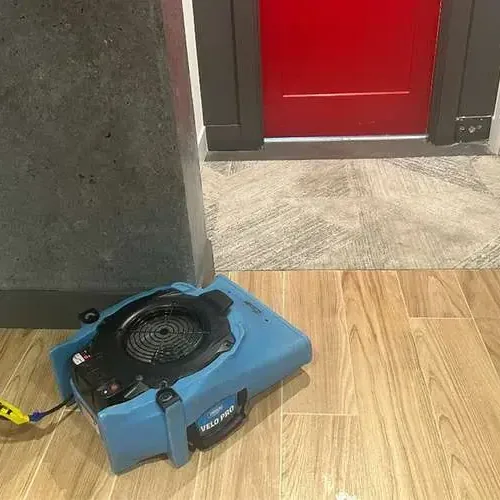
Four things to do right after water appears
Mold can begin within 24 to 48 hours on wet materials, so the first day decides how much gets dried and how much gets replaced.
- 01Stop the source
Shut off the main water valve if a pipe is running, and switch off power to wet areas only if it is safe.
- 02Lift what you can
Move rugs, small furniture and electronics out of the water and onto dry surfaces.
- 03Photograph the damage
Record wet walls, floors and belongings before anything is moved, since insurers ask for clear pictures.
- 04Call for drying
Call at once, because wet drywall and subfloor need extraction and airflow before mold can start to grow.
Twelve water services for east and southeast homes
Each service starts with a moisture map of the wet structure, then extraction, drying equipment and daily readings until the materials are dry.
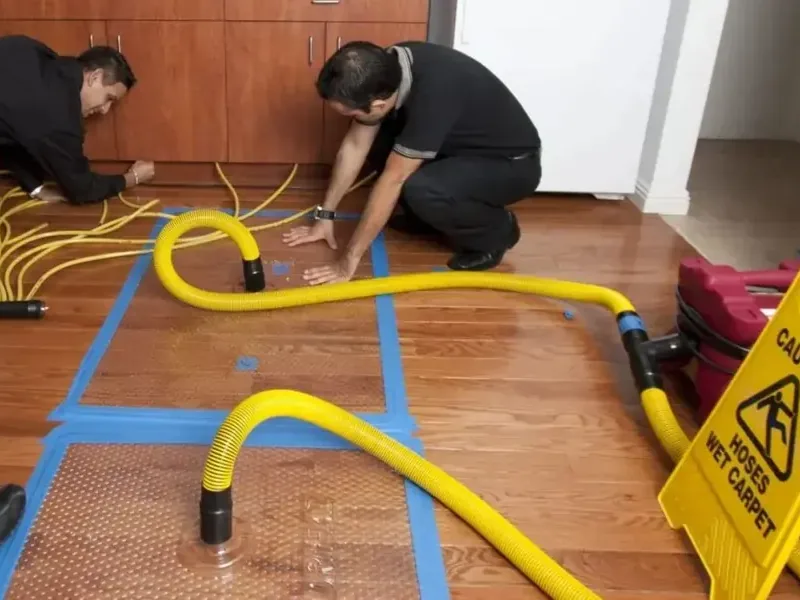 W-01Water ExtractionPumps and wands pull standing water out of floors, carpet and padding before it spreads.Open the service
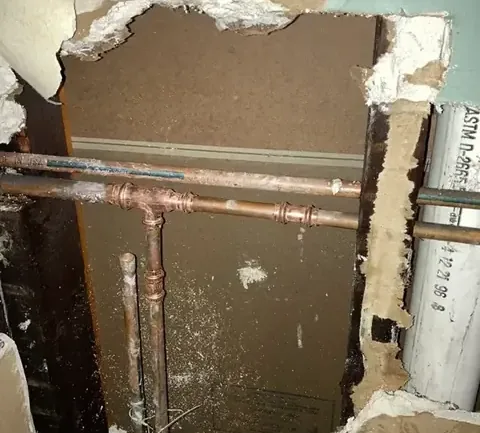
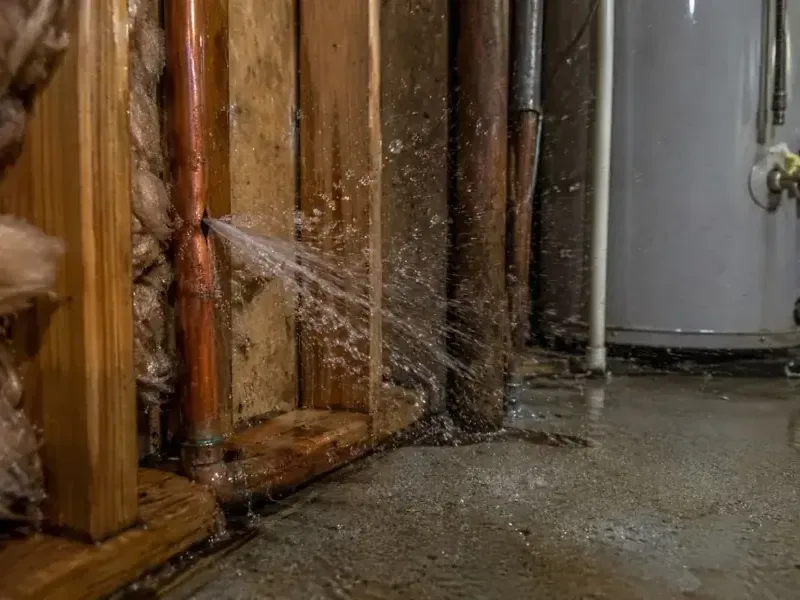 W-02Burst Pipe Water DamageOpened walls and a dried cavity after a supply pipe splits behind drywall.Open the service
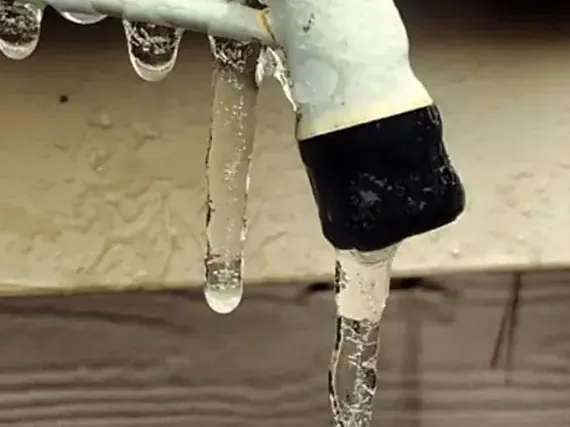 W-03Frozen Pipe Water DamageLeaks from pipes that cracked in a freeze are traced, stopped and dried.Open the service
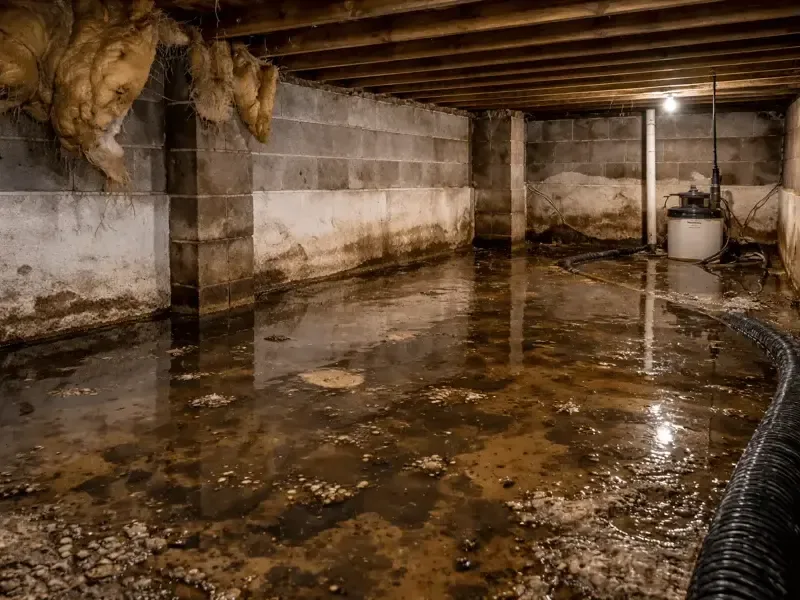 W-04Crawl Space Water RemovalStanding water under the floor is pumped out and the joists and subfloor are dried.Open the service
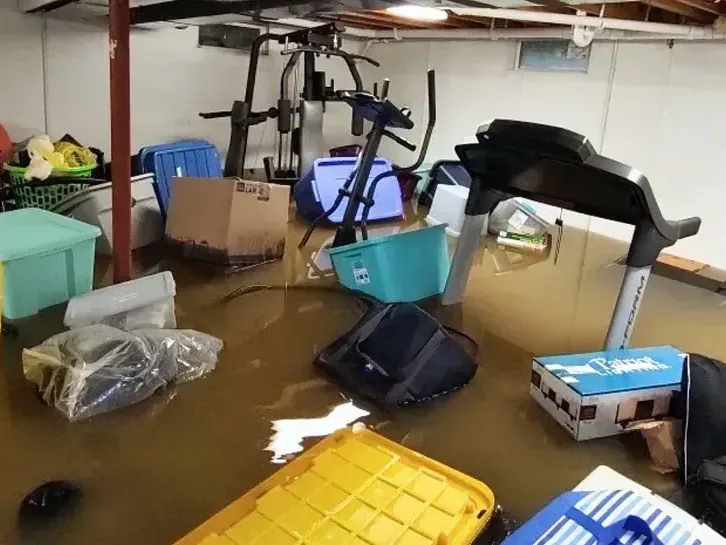 W-05Basement Flooding CleanupRain, creek water or a failed pump floods a basement that gets emptied and dried.Open the service
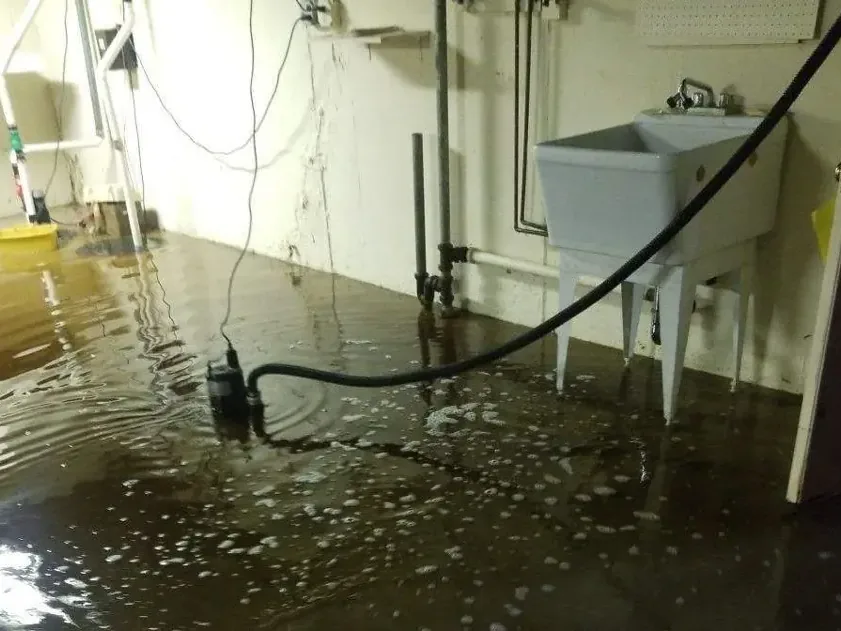 W-06Sump Pump Failure CleanupA pit that overflows or a pump that quits leaves water that needs removing.Open the service
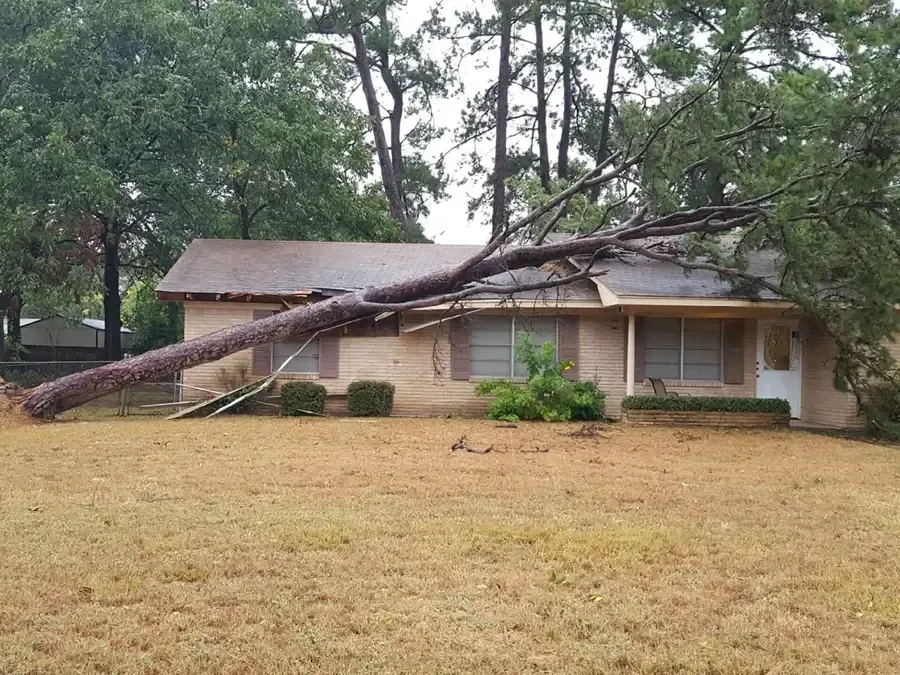 W-07Roof Leak Water DamageStorm rain through a weak roof spot soaks the attic, insulation and ceilings below.Open the service
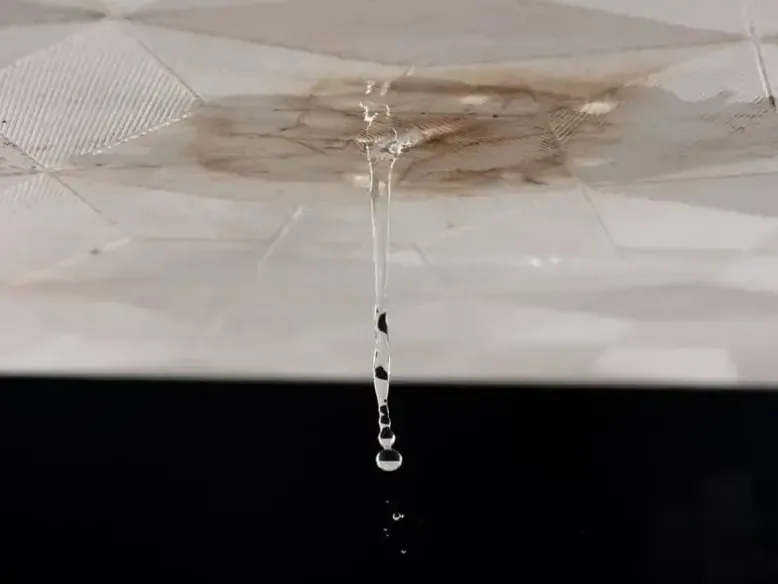 W-08Ceiling Leak Water DamageA stained or sagging ceiling gets its source found, then the section is dried.Open the service
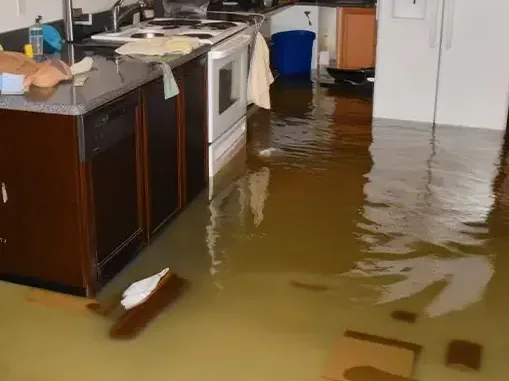 W-09Storm Water Flood CleanupStorm water and creek overflow are removed from floors, and wet materials are dried.Open the service
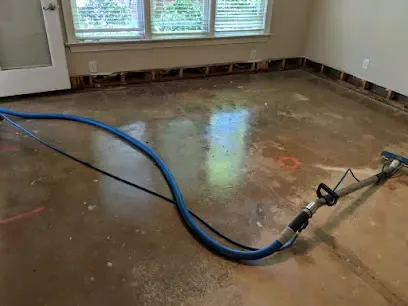 W-10Water Heater Leak CleanupA leaking tank soaks the floor and walls around it, which then get dried.Open the service
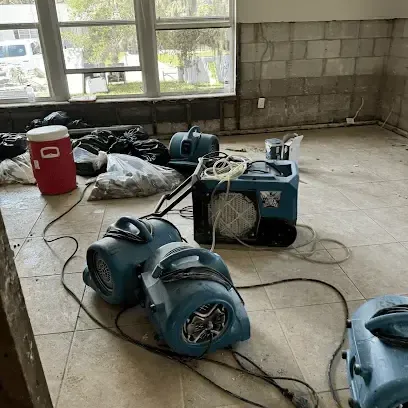 W-11Structural DryingAir movers and dehumidifiers dry framing, subfloor and drywall until readings match dry targets.Open the service
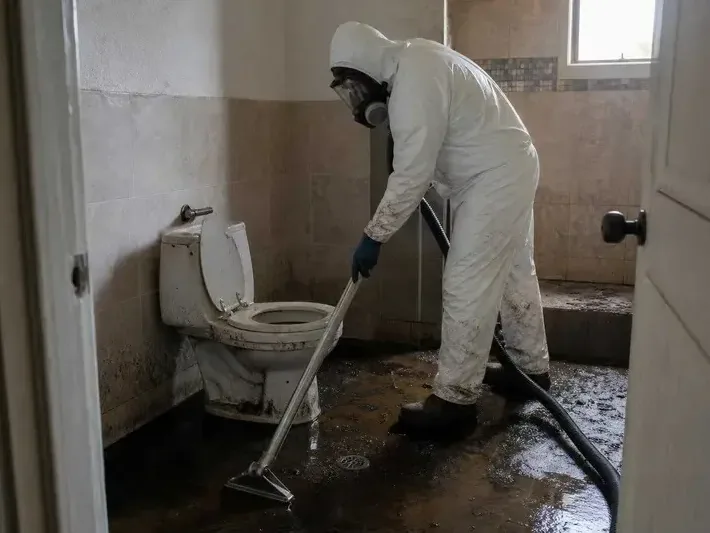 W-12Sewage Backup CleanupContaminated water is removed and the affected area is cleaned and treated.Open the service
A drying standard applied to every wet room, wall and floor
Each job follows a written drying plan, with a moisture map, equipment placed by room and readings logged until wall and floor materials return to dry.
- STAGE 01
Inspect and map
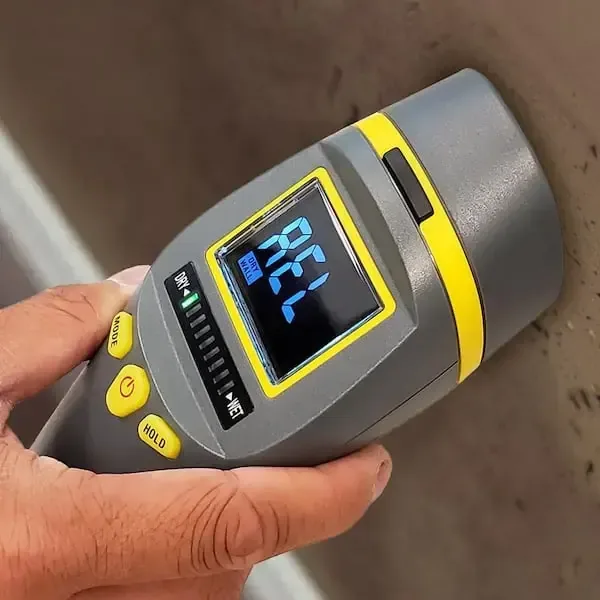
Meters and a thermal camera show how far water traveled into walls, floors and ceilings, so equipment goes where the moisture really is.
First reading - STAGE 02
Remove standing water
Pumps and extraction wands clear the surface water first, since every gallon left behind has to be dried out by air.
Water pulled - STAGE 03
Dry the structure
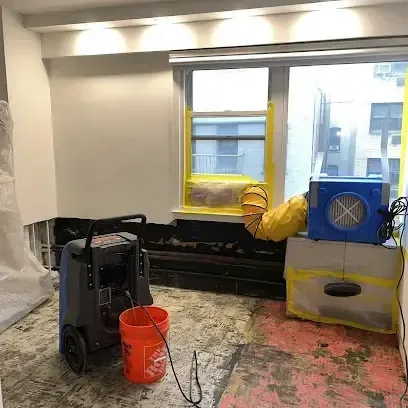
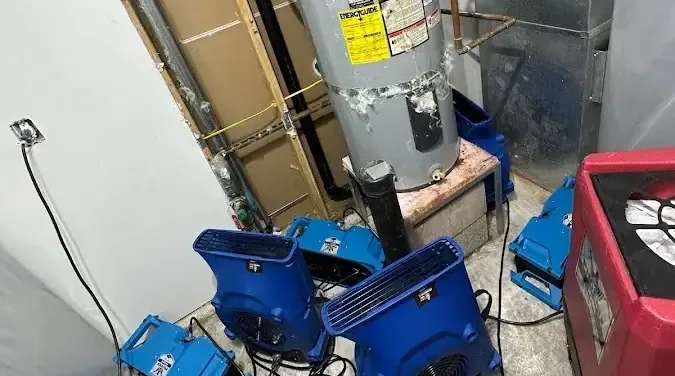
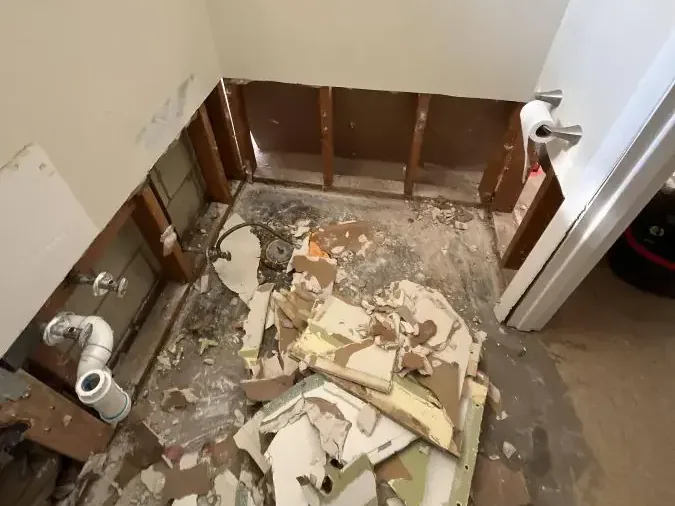
Air movers and dehumidifiers run in a closed space while wet carpet, padding and soaked drywall are cut out and removed.
Halfway dry - STAGE 04
Read and release
Readings are taken each day, equipment is adjusted, and the job ends only when moisture levels sit at the dry standard.
Dry standard met
What sets this restoration crew apart
Southeast and east side homes get a crew that treats water as a structural problem, not a mopping job, from the first reading to the last.
Crews dispatched any hour
Water does not wait for business hours, so a call at night or on a weekend reaches the dispatch team too.
Water and sewage only
The work covers water, storm flood and sewage losses, and nothing outside that trade, so the process stays specialized and focused.
Equipment sized to the loss
Air movers and dehumidifiers are matched to the cubic footage and material type of each wet area, rather than set out by guess.
Readings kept on record
Daily moisture numbers are logged and kept, which gives an adjuster proof that drying reached its goal during the claim.
Restoration crews for Portland's east side and southeast
Portland is the county seat of Multnomah County and the most populous city in Oregon, with 652,503 residents at the 2020 census. The Willamette River separates its east and west neighborhoods, and this coverage centers on the southeast and east sides, from Lents and Powellhurst-Gilbert to Brentwood-Darlington.
Johnson Creek, heavy winter rain and ice storms shape the water losses here, from creek overflow to burst pipes and sewer backups, and each one gets its own drying plan.
See every service for this areaWhat water damage cleanup usually costs in southeast Portland
Most jobs fall between $1,200 and $22,000 or more, depending on how much water, how many rooms and which materials are wet. Sewage or major loss sits at the top, and the moisture readings on site set the final figure.
- Clean water in one area
- Extraction and drying equipment
- A few days of airflow
- Water spread through several rooms
- Wet insulation and flooring removed
- A week of equipment drying
- Sewage or runoff involved
- Walls and floors opened wide
- Weeks of drying and cleaning
Prices shift with water category, affected square footage and the depth of material removal. An adjuster or an on site inspection confirms the real figure for a specific home.
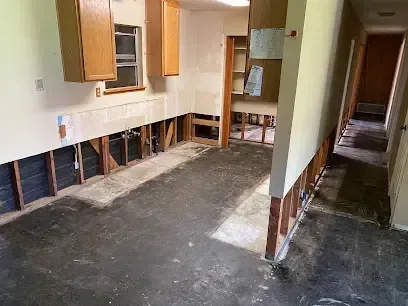
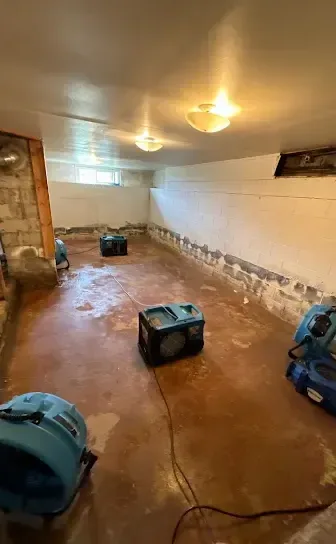
What water damage work looks like once the walls are open
Water damage and your claim
Most homeowner policies cover sudden water losses, such as a burst pipe or a failed appliance, but gradual leaks and flood from rising water are often treated differently, so the policy wording matters.
Handling the claim yourself
Call the insurer early, describe the loss plainly and ask what the policy requires before materials are discarded. Keep a sample of ruined flooring or drywall until the adjuster has seen the damage.
The restoration crew supplies photos, moisture logs and an itemized scope of work that an adjuster can review alongside the claim.
- Photos of every wet room and item
- A written note of when water appeared
- Receipts for emergency repairs and equipment
- Daily moisture readings from the drying crew
- A list of damaged belongings and flooring
Three kinds of water loss that need fast action
Standing water
Rain, creek overflow or a failed pipe leaves water that has to be pumped out and dried.
See water extractionPump trouble
A sump pit that overflows or a pump that stops can push runoff into a lower level quickly.
Sump pump failure cleanupSewage backups
A backed up sewer pipe puts contaminated water on floors and needs protective gear and careful removal.
Sewage backup cleanupAreas served across southeast and east Portland
One call sends a drying crew to southeast Portland, day or night
The crew covers ZIP 97266 and the neighborhoods around it, from Lents Town Center to Foster Road and Powell Boulevard.
Tell the dispatcher which rooms are wet and where the water came from, and the right pumps, air movers and meters go on the truck.
Home ZIP code
Nearby places
Neighborhoods and corridors
Why creek floods and winter storms matter here
Johnson Creek flooding mainly affects Tideman Johnson Natural Area, the area west of 82nd Avenue, Lents and lower Powell Butte, so southeast homes face real creek risk.
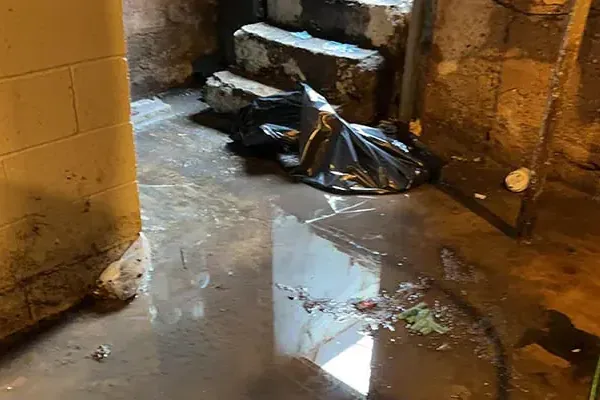
Johnson Creek reached flood flow 37 times between 1941 and 2006, and at least seven of those floods caused major property damage, so repeat flooding is a known pattern here.
In February 1996 the Willamette River crested at 28.6 feet at the Morrison Bridge, after a deep freeze and then over seven inches of warm rain in three days.
On December 19, 2021 a wintry mix filled the Big Pipe system and caused the fifth combined sewer overflow of 2021 into the Willamette River.
A January 2024 winter storm left more than 150,000 PGE customers without power, and freezing weather like that can crack pipes while homes sit cold.
The Portland Water Bureau responds to about 150 to 180 main breaks a year, and a break can stir up pipe sediment and temporarily discolor tap water.
Johnson Creek reached 15.33 feet at the Sycamore gauge, the highest level measured there, against the National Weather Service flood stage of 11 feet.
Questions about water damage in Portland
What should a homeowner do first when water floods a home?
Stop the source if you can, keep clear of wet electrical outlets and move belongings to dry spots. Then call a restoration crew, because standing water starts soaking drywall and subfloors right away.
How far does Johnson Creek flooding reach in southeast homes?
Flooding mainly affects Tideman Johnson Natural Area, the area west of 82nd Avenue, Lents and lower Powell Butte. Homes outside those areas can still take on water from heavy rain or broken pipes.
How quickly does mold start after a flood?
Mold can begin to grow in the 24 to 48 hour window after materials get wet, which is why extraction and airflow start before anything else is planned. Wet drywall and carpet padding are the first to hold moisture.
Does homeowner insurance pay for water damage cleanup?
Sudden losses such as a burst pipe are often covered, while rising flood water and slow leaks may not be. The policy wording decides, so photos and moisture logs matter when the adjuster looks at the claim.
What happens during structural drying?
Air movers and dehumidifiers run in the wet rooms for several days while a technician logs readings on walls and floors until they reach a dry standard. Walls open only where moisture hides.
Is sewage backup safe to clean without a crew?
Sewage carries bacteria and should not be handled bare handed. A crew wears protective gear, removes soaked porous materials such as carpet and drywall and treats the surfaces that remain.
Why does heavy winter rain cause leaks and backups?
Heavy rain tests roofs and drains together. A roof with a weak spot lets water into the attic and ceilings, while a stressed sewer system can push a backup into lower levels.
Do frozen pipes happen in Portland?
Winters are usually mild, but freezing weather does reach the city, as the January 2024 ice storm and the 1996 deep freeze showed. Leaks tend to show up on thaw days when ice melts.
What drying equipment does a crew bring?
Pumps, extraction wands, air movers, dehumidifiers and moisture meters make up the standard kit, scaled to the number of wet rooms. A thermal camera helps trace water behind finished surfaces.
Does a city water main break cause damage inside a home?
A break in the street can discolor tap water for a time, but the damage inside a home comes from pipes in the walls, floors and fixtures. Those leaks need extraction and drying.
Water is spreading across a floor right now
The sooner extraction and airflow begin, the less water reaches subfloors and framing. Call now and describe the loss to a dispatcher.
(888) 373-8814Dispatch a drying crew