Storm Flood Cleanup in Portland
Johnson Creek flooding mainly affects Lents, the area west of 82nd Avenue and lower Powell Butte, and the February 1996 flood showed how fast snowmelt and rain can combine into a damaging surge.
(888) 373-8814Call about storm flooding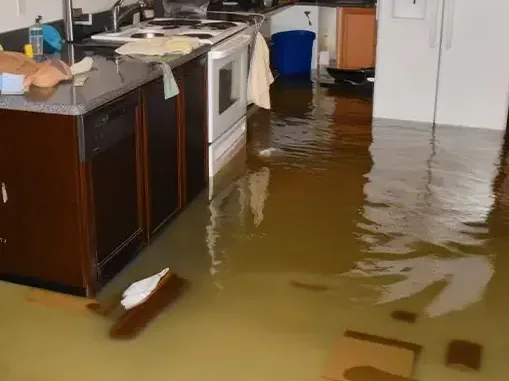
What to do right now about storm water flood cleanup
- Make it safe
Stay out of deep water, away from outlets, until the power is confirmed off.
- Pump out
Water is pumped out and silt is removed from floors.
- Clear and clean
Soaked materials go out and hard surfaces are sanitized.
- Dry it out
Dehumidifiers and air movers run until readings are dry.
Why the first day matters
Storm flooding brings more than water. Creek overflow and runoff carry silt, debris and bacteria into a home, so the cleanup involves protective gear and careful disposal as well as pumping.
How the restoration team handles storm water flood cleanup
Readings before equipment
Moisture is mapped first, so the drying plan follows what is actually wet instead of what looks wet.
Drying inside the structure
Air is driven into wall cavities, subfloor and framing, because a dry-looking surface can still hold water behind it.
A file built for the adjuster
Daily moisture logs and timestamped photos go into the record an insurance adjuster reviews.
What does storm water flood cleanup cost in Portland, OR?
Storm flood cleanup usually costs $2,000 to $35,000. A single room or crawl space stays low, while a whole floor of contaminated water sits at the top.
- Water in a limited area
- Pump out and silt removal
- Spot drying
- Basement or ground floor
- Carpet and drywall removed
- About a week of drying
- Water across a full floor
- Heavy removal and cleaning
- Extended drying
Ranges are typical, not a quote. The water category, the square footage, the material class and how fast drying started move the number most. The water damage cost calculator gives a planning range before the walkthrough.
The storm water flood cleanup dry-out, stage by stage
Equipment counts change with the class of the loss; the four stages and the readings never do.
- STAGE 01
Assess
Water level, source and hazards are checked.
First reading - STAGE 02
Pump
Floodwater and silt are removed from the floor.
Water pulled - STAGE 03
Clean
Soaked materials go out and surfaces are sanitized.
Halfway dry - STAGE 04
Dry
Equipment runs on a schedule until meters read dry.
Dry standard met
Creek history behind the flood risk
The Foster Floodplains Natural Area is a reclaimed floodplain of 63 acres, and the East Lents Floodplain Project finished in late 2012, yet Johnson Creek crested at 15.33 feet at Sycamore on December 7, 2015.
- Water entering through doors and low windows
- Silt and debris spread across floors
- Wet drywall, carpet and padding
Cleaning up contaminated floodwater
Floodwater from outside is treated as contaminated. The crew pumps it out, shovels or vacuums silt, removes soaked carpet, padding and low drywall, and sanitizes the hard surfaces that remain before drying begins, so nothing contaminated stays behind in the structure.
Drying after the water leaves
Silt and moisture settle into slabs, sills and wall bottoms, so dehumidifiers and air movers run until meters read dry. Daily readings and photos document the loss for the insurance review and for any flood claim.
Outside references: National Weather Service flood safety and FloodSmart flood coverage facts.
Storm water flood cleanup across Portland and nearby communities
Storm jobs reach Lents, Brentwood-Darlington, Mill Park and Pleasant Valley, plus homes near the Foster Floodplains Natural Area. A dispatcher asks how deep the water got and whether it came from outside.
The same service nearby: storm water flood cleanup in Happy Valley, Damascus, Oregon City.
Related water damage services in Portland
Questions about storm water flood cleanup
Is floodwater from a storm contaminated?
Usually yes. Water that crossed yards or a creek bank carries bacteria, so porous materials it touched are removed.
Does homeowner insurance cover storm flooding?
Standard policies often exclude rising floodwater and cover only wind or rain damage. Separate flood insurance is usually needed, so the policy wording decides.
What does the National Weather Service flood stage mean?
For Johnson Creek at the Sycamore gauge the flood stage is 11 feet, the level where water begins to leave the channel.
What gets thrown away after a flood?
Padding, carpet, insulation and drywall that sat in floodwater are usually discarded. Hard goods such as tile and framing are cleaned and dried.
How long does flood drying take?
Wet season humidity slows drying, so jobs often run a week or longer. Meters, not the calendar, show when the structure is done.
Should flooded outlets be used?
No. Water in outlets or the panel is an electrical hazard, so power stays off until an electrician confirms it is safe.
Storm water indoors?
Stay clear of outlets, then call so a crew can pump, clean and dry.
(888) 373-8814Send a flood cleanup crew