Storm Flood Cleanup in Damascus, OR
Rock Creek flows through parts of Damascus and its basin has runoff and sediment problems, so heavy rain can leave water and silt on low ground. Crews remove both, then dry what stayed wet.
(888) 373-8814Clear the storm water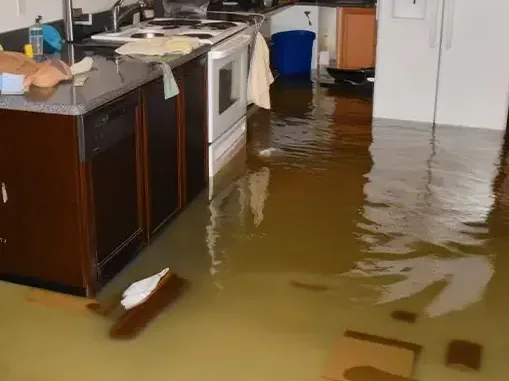
What to do right now about storm water flood cleanup
- Stay out of the water
Runoff can carry contamination and hidden electrical hazards, so keep clear.
- Photograph the water
Pictures of the level and the entry points support the claim.
- Move valuables up
Lift electronics and papers onto dry shelves before more water spreads.
- Call for cleanup
Describe the rooms affected so pumps and meters match the job.
Why the first day matters
Rock Creek flows through parts of Damascus, and studies of its basin found runoff pollution and severe sedimentation. After a hard rain, low ground can collect water that carries silt into a home.
How the restoration team handles storm water flood cleanup
Readings before equipment
Moisture is mapped first, so the drying plan follows what is actually wet instead of what looks wet.
Drying inside the structure
Air is driven into wall cavities, subfloor and framing, because a dry-looking surface can still hold water behind it.
A file built for the adjuster
Daily moisture logs and timestamped photos go into the record an insurance adjuster reviews.
What does storm water flood cleanup cost in Damascus, OR?
Storm flood cleanup usually costs $2,000 to $35,000, with the total set by how much of the home the water reached and how much silt it left behind.
- Small area wet
- Water and silt cleared
- Short drying period
- Whole level affected
- Porous materials removed
- Several days of drying
- Water through many rooms
- Sanitizing included
- Extended drying plan
Ranges are typical, not a quote. The water category, the square footage, the material class and how fast drying started move the number most. The water damage cost calculator gives a planning range before the walkthrough.
The storm water flood cleanup dry-out, stage by stage
Equipment counts change with the class of the loss; the four stages and the readings never do.
- STAGE 01
Assess
Water and silt are measured room by room.
First reading - STAGE 02
Extract
Pumps clear water, and silt is rinsed away.
Water pulled - STAGE 03
Remove
Porous materials that soaked runoff come out.
Halfway dry - STAGE 04
Dry
Equipment runs until readings pass.
Dry standard met
Why storm water is different
Water that crossed yards, driveways and drains picks up dirt and contamination. Carpet and padding that soak it usually come out, and hard surfaces get rinsed and sanitized before they are dried.
- Standing water is pumped from floors
- Silt is rinsed from hard surfaces
- Porous materials that soaked runoff are removed
Drying after the cleanup
Once the water and silt are gone, air movers and dehumidifiers dry the framing, flooring and wall bases. Readings are repeated each visit, and the crew leaves equipment running until the numbers reach their goal.
Documenting the storm loss
Dated photos of the high water mark, the entry points and the damaged rooms help the adjuster separate storm damage from other causes. The crew keeps the logs in one file, and a contractor handles any exterior repair.
Outside references: National Weather Service flood safety and FloodSmart flood coverage facts.
Storm water flood cleanup across Damascus and nearby communities
Storm water jobs are handled across Damascus, including the Rock Creek area, Carver, Bohna Park and Alder Springs, and the crew plans equipment from what is described about the water.
The same service nearby: storm water flood cleanup in Happy Valley, Oregon City, Portland.
Related water damage services in Damascus
Questions about storm water flood cleanup
Is storm water considered clean?
No. Water from outside crosses ground and drains and is treated as contaminated, so carpet and padding that soaked it are usually removed.
Does flood insurance matter here?
Standard homeowner policies and flood policies cover different things. The adjuster decides which applies, using the crew's photos and readings.
What happens to the silt?
Silt is rinsed from hard surfaces and extracted from carpet when possible. Porous materials that hold silt typically come out for good.
How soon should drying begin?
As early as entering the rooms is safe. Drying and extraction go together, and delay lets moisture wick into framing and drywall.
Can the yard or driveway be cleaned too?
The crew focuses on the inside of the structure. Outdoor grading and drainage work belongs to a landscape or drainage contractor.
Rain water on the floor?
Crews pump it out, rinse away the silt and dry the walls and flooring to target.
(888) 373-8814Start the post rain cleanup