Water Damage Restoration Oregon City, OR
Around-the-clock water damage restoration in Oregon City, OR. Extraction crews clear standing water from riverside and bluff homes alike, then a drying team brings framing down to an IICRC S500 reading.
(888) 373-8814Have the river bench house pumped outOnly water and sewage work. Each visit logs fresh moisture numbers, and the air movers keep running until those numbers reach the dry goal.
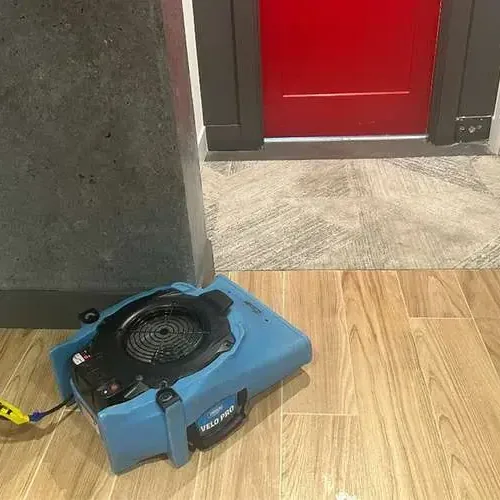
Steps that limit the damage while water is still coming in
Mold can begin within 24 to 48 hours on wet materials, so the first day decides how much gets dried and how much gets replaced.
- 01Stop the supply
Turn the house valve or the fixture valve so fresh water stops feeding the leak, then open a low tap to drain pressure.
- 02Leave wet outlets alone
Breakers for soaked rooms go off only when the panel stands on dry ground.
- 03Record the scene
Shoot photos and short video of every wet room and the source before anything is carried out.
- 04Clear the floor
Carry rugs, papers and electronics to a dry room upstairs, then ring for extraction.
Water Damage Services for Oregon City Homes
Clean water, gray water and sewage, from the low commercial blocks by the river to the older houses up on the bluff, handled to one measured standard.
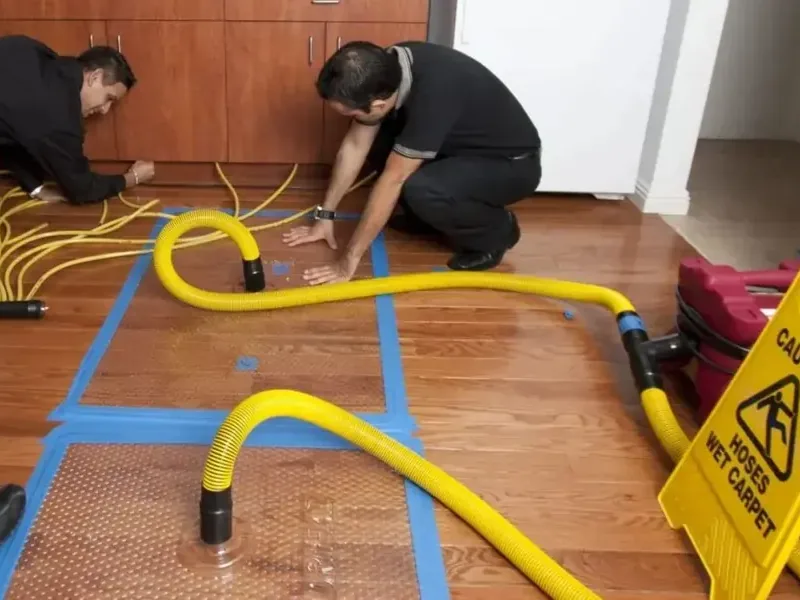 W-01Water ExtractionPumps and weighted wands clear pooled water before it climbs into walls and subfloor.Open the service
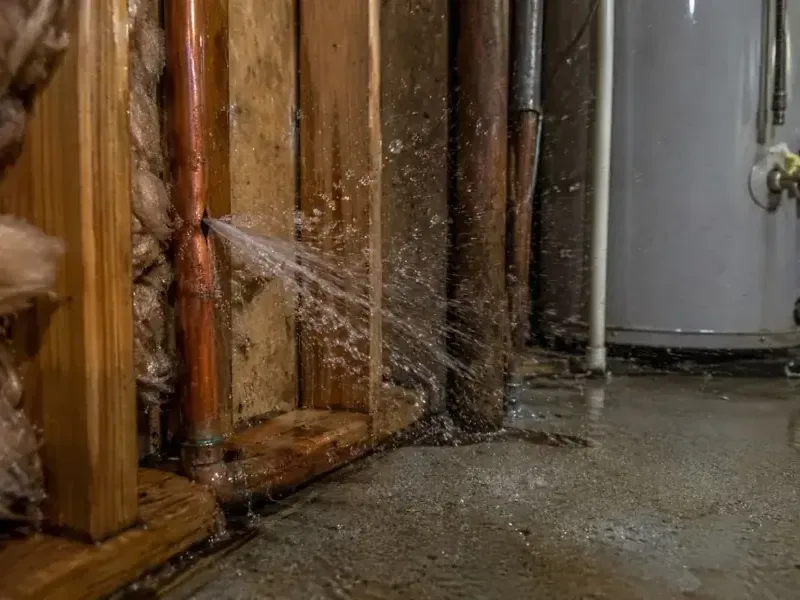 W-02Burst Pipe Water DamageSplit supply pipes isolated, the spill pulled up and each damp wall bay metered.Open the service
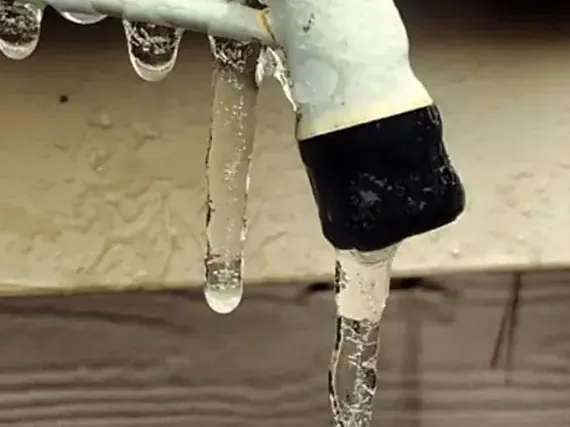 W-03Frozen Pipe Water DamagePipes that cracked in a deep freeze, cleaned up once the thaw starts the flow.Open the service
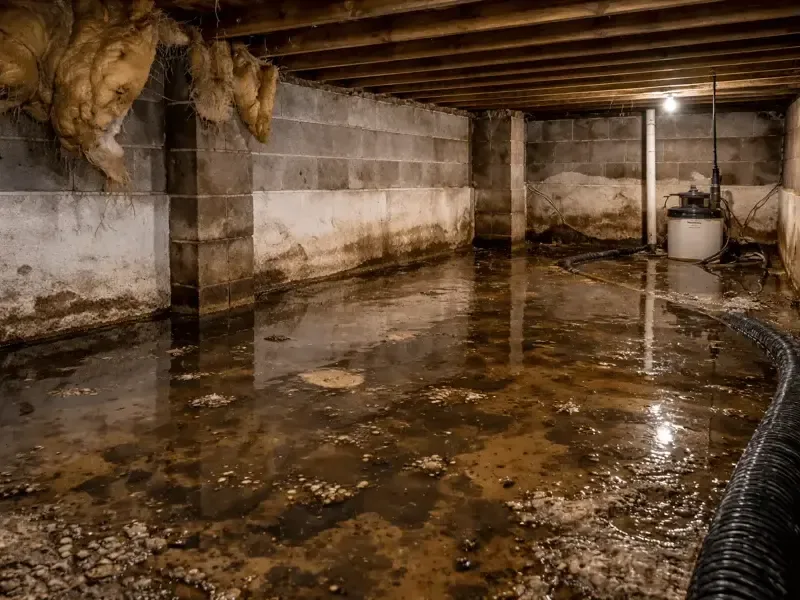 W-04Crawl Space Water RemovalWater beneath the floor pumped off, soaked batts removed and the joists dried down.Open the service
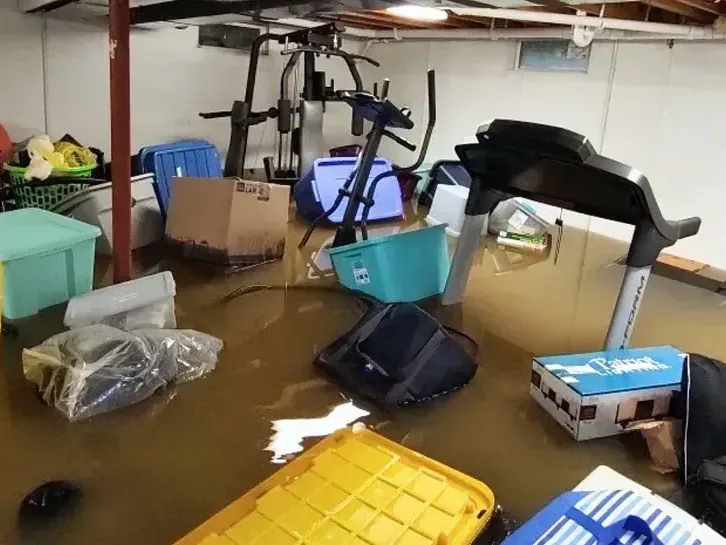 W-05Basement Flooding CleanupLower rooms emptied of water, wet finishes sorted and the slab edges dried out.Open the service
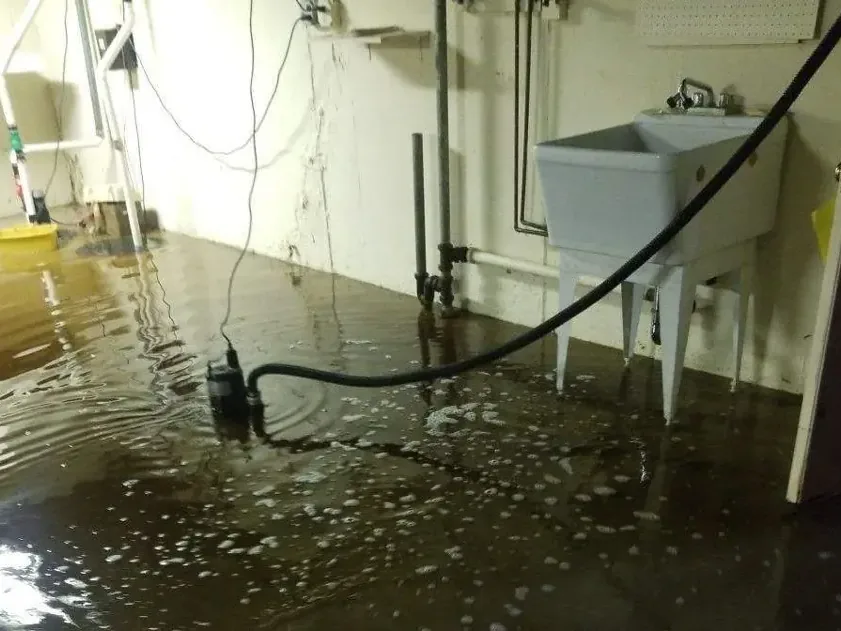 W-06Sump Pump Failure CleanupPits that overflow when a pump quits mid storm, extracted and dried on readings.Open the service
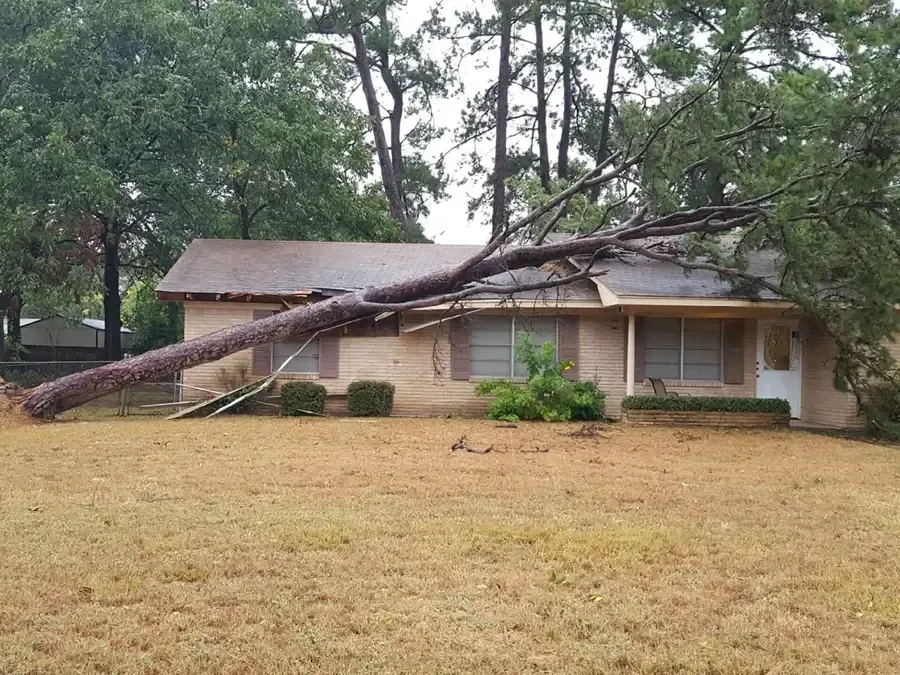 W-07Roof Leak Water DamageWinter rain getting past worn roofing into attics, ceilings and the walls below.Open the service
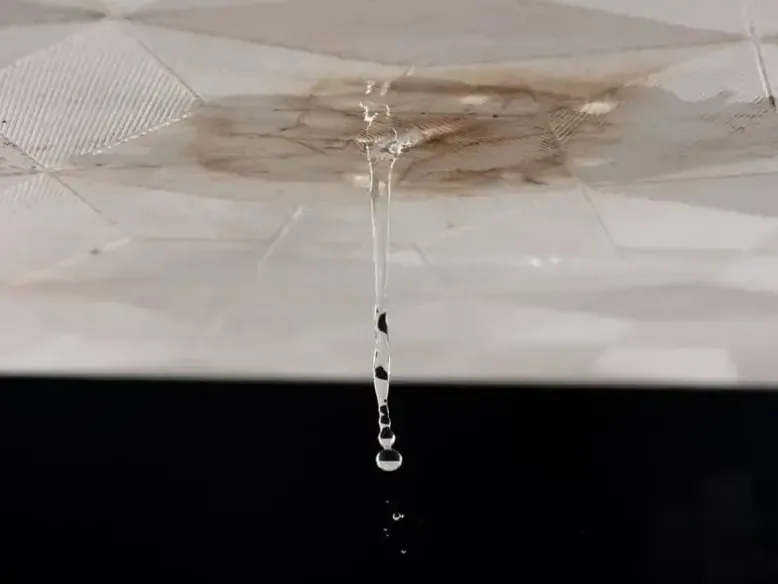 W-08Ceiling Leak Water DamageBathroom and supply leaks above a ceiling located, opened where needed and dried.Open the service
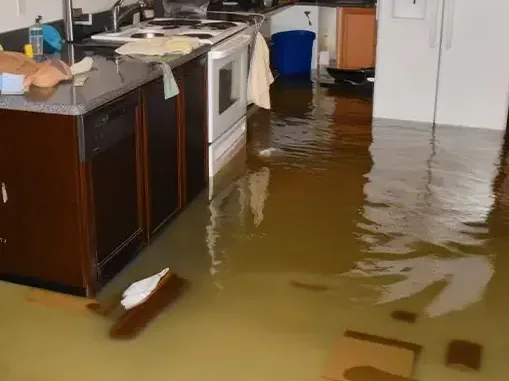 W-09Storm Water Flood CleanupRiver and storm water handled as contaminated, removed, cleaned and then dried.Open the service
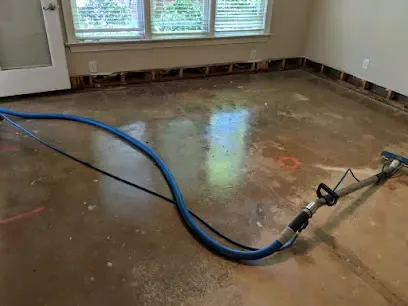 W-10Water Heater Leak CleanupA burst or weeping tank emptied across the floor, extracted and dried around it.Open the service
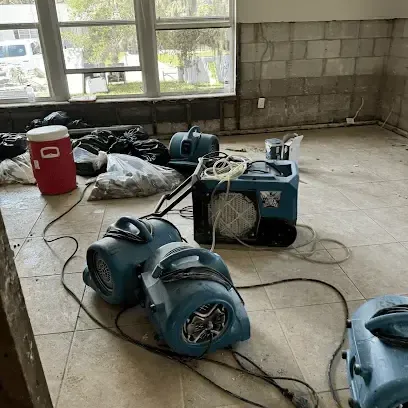 W-11Structural DryingStuds, sheathing and subfloor dried with LGR units, air movers and logged numbers.Open the service
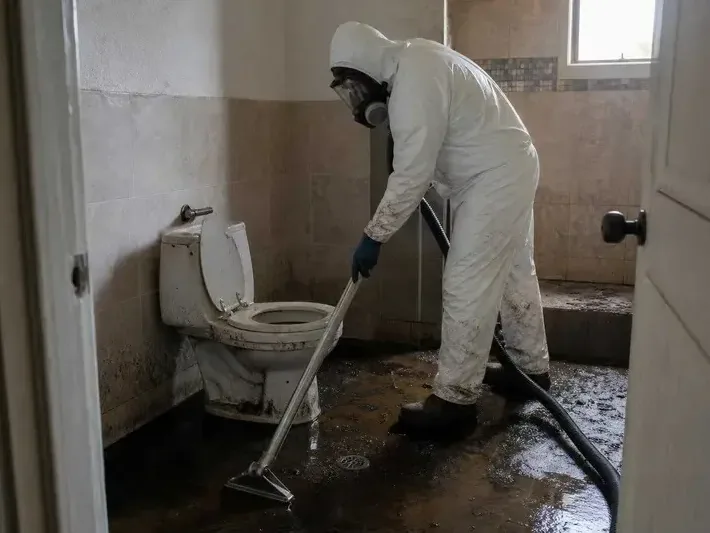 W-12Sewage Backup CleanupSewer backups contained, soiled porous materials bagged out, surfaces disinfected.Open the service
How each Oregon City water loss moves from wet to verified dry
Every stage has a number attached. Equipment is pulled only after the meters agree with the dry reference, never because a floor feels dry to the hand.
- STAGE 01
Map the wet area
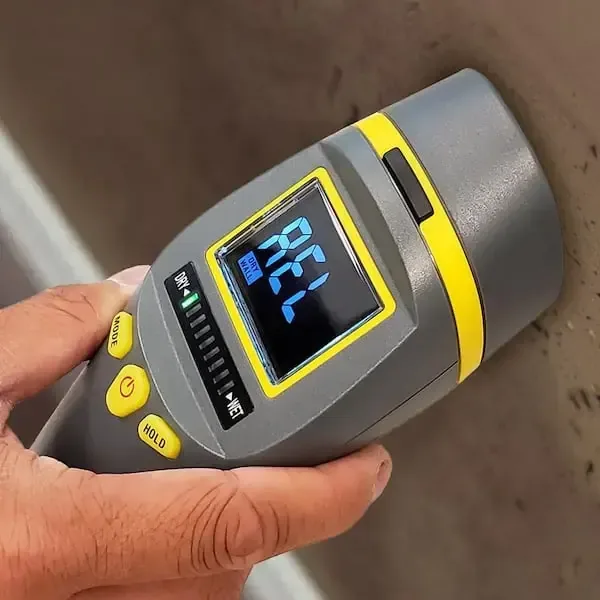
A technician scans floors, walls and ceilings with thermal imaging and pinless meters and sketches the edges of the moisture before any gear is unloaded.
First reading - STAGE 02
Pull the water
Truck-mounted or portable units draw out standing water, so it exits the house rather than seeping under the next doorway.
Water pulled - STAGE 03
Run the drying gear
Air movers are matched to each room and LGR dehumidifiers draw the vapor out, with added heat for chilly lower floors.
Halfway dry - STAGE 04
Confirm with numbers
Each visit adds readings to the log, and gear leaves once materials sit within 2 to 4 points of the dry reference.
Dry standard met
River bench or bluff, dried to the IICRC S500 standard
Part of town sits on a low bench beside the Willamette River and part on a bluff above it, so the first reading sets where drying starts.
Night and weekend dispatch
Crews head out at any hour to Two Rivers, Canemah, McLoughlin, Park Place, Hillendale, Caufield and the rest of the neighborhoods.
IICRC S500 method
Wet materials are mapped before equipment is set, the gear is sized to the load, and readings run to the finish.
A file the adjuster can follow
Moisture maps, daily psychrometric logs and timestamped photos are gathered into one record for the insurance claim.
Floodplain and bluff awareness
Low riverside blocks under city floodplain maps and older bluff homes call for different plans, and the crews plan each one.
Water damage restoration from Two Rivers to Caufield
The town splits into a lower area on a bench beside the river and an upper area on a bluff of Canemah basalt. A riverside loss and a bluff-top loss rarely look alike, so the crew maps the moisture before choosing equipment, since the wet zone almost always runs past the visible mark.
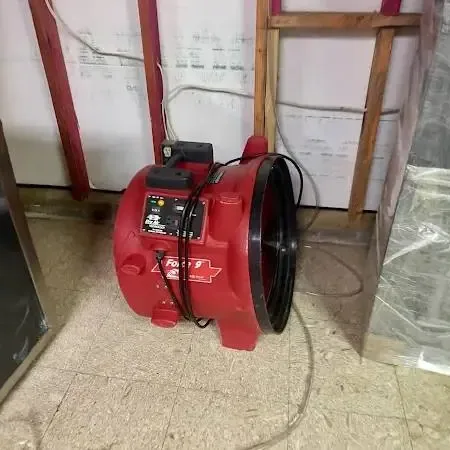
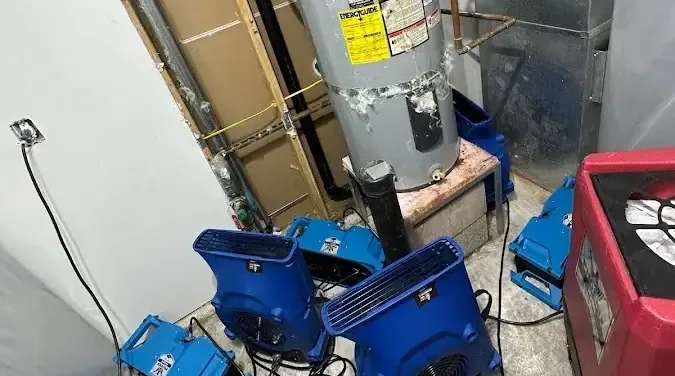
Next the extraction crew clears pooled water, the drying team places air movers and LGR dehumidifiers, and the logged numbers say when the job is finished.
See how a measured dry-out is runWhat does water damage restoration cost in Oregon City, OR?
Water damage restoration here typically runs $1,200 to $8,500 or more. The water category, how many square feet got wet, the material class and how quickly drying began set the figure, and lower floors often fall mid range.
- One area, Class 1 or 2
- Extraction of clean water
- Drying over three to five days
- Several rooms or under the floor
- Pad, batts and flood cuts if required
- Readings logged each day
- Sewage or river water
- Porous materials taken out
- Containment plus antimicrobial
These are typical ranges, not a quote. A walkthrough with real moisture readings sets the scope, and the crawl space page explains one common job.
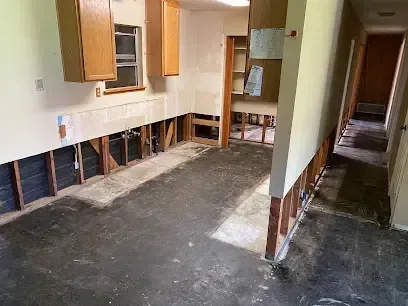
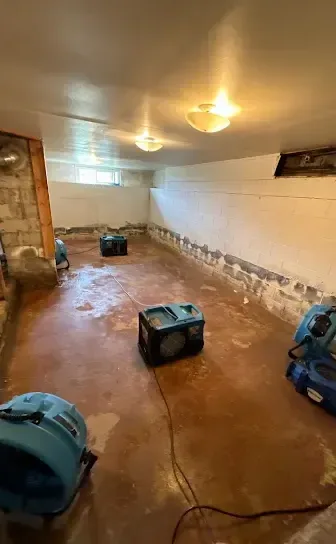
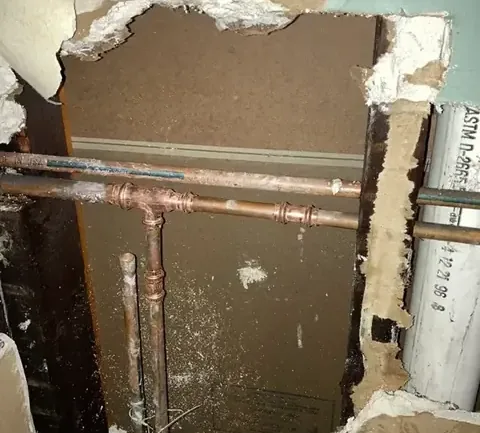
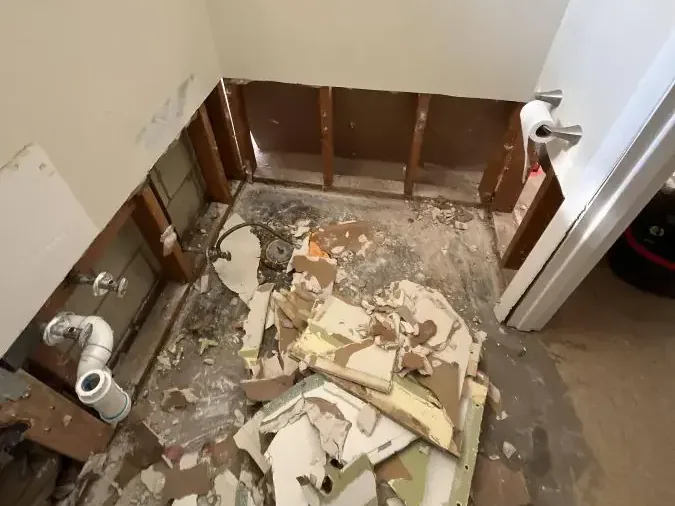
What measured drying looks like in a working house
The record behind a water claim
Adjusters decide a water claim from the documents, not from the first call. A sudden pipe burst is handled one way, and river or surface water that rises into a house is handled another way.
How coverage tends to split
A sudden, accidental release such as a failed supply hose or tank is often covered by a homeowners policy once the deductible is met. Floodwater from outside usually falls under a separate flood policy.
Sewer and sump backups often need their own endorsement. Every policy reads differently, so confirm the details with your insurer before work starts.
- Moisture map drawn on the first visit
- Psychrometric and material logs for each day
- Dated photos captured before demolition
- Water category and class of loss
- Line-item scope in adjuster format
Clean, gray and black water all handled in town
Clean water
Supply pipes, bursts and tanks. Fast extraction usually lets these materials dry where they are.
Clean water extractionGray water
Washing machines, dishwashers and sump pits. Wet pad and cardboard are removed; the rest gets cleaned and dried.
Sump pump failure cleanupBlack water
Sewage and river or storm water. Porous items are discarded, and surfaces receive antimicrobial treatment.
Sewage backup cleanupWater damage help across Oregon City neighborhoods
One call sends a drying crew to any street in town, day or night
Crews cover ZIP 97045 from the riverfront blocks of Two Rivers and the strip of Canemah up to McLoughlin, Park Place and Caufield.
Say what got wet and which floor it reached, and the crew shows up with pumps, drying units and meters.
ZIP code
Nearby places
Neighborhoods served
Water damage in Oregon City, OR: the local risk profile
Oregon City sits where the Clackamas River meets the Willamette River, with low blocks on a riverside bench and older homes on the bluff above, so its water problems split two ways.
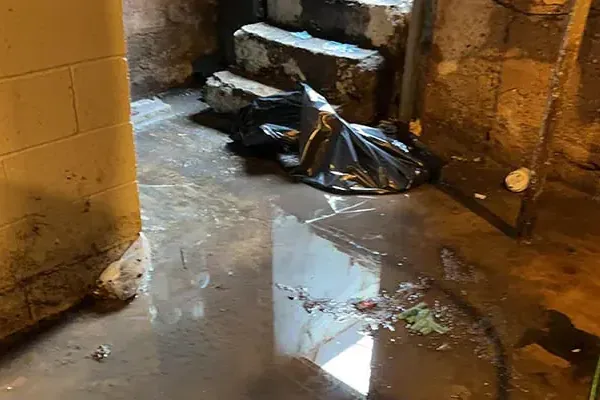
Two Rivers is the lowest part of town and mostly commercial. City maps show the 1996 flood extent and the FEMA floodplains, so water that gets inside here needs fast extraction.
The McLoughlin neighborhood on the bluff above downtown holds many of the oldest houses in the city, where long winter rain tests roofs, flashing and aging finishes.
Before the 1996 flood, saturated ground, a deep freeze and a warm rain on snow came in sequence. A cracked pipe stays quiet while frozen and leaks once it warms.
The city maintains the public sewer, while owners clean and repair their own private sewer pipes under the lateral responsibility policy, so a sewage backup starts with finding which side failed.
Canemah runs as a narrow strip between the Willamette River and a bluff along Oregon Route 99E, so runoff from above and high river water both matter there.
The February 1996 Willamette Valley flood left downtown Oregon City under water for several days and caused heavy damage to the riverside blocks.
Water damage questions from local homeowners
How quickly can a crew get to a house in Oregon City?
Dispatch runs around the clock across ZIP 97045, and an active leak is handled as urgent. Pulling the water out comes first, since it keeps soaking into subfloor and drywall until it is removed.
Will a homeowners policy pay for water damage?
A sudden, accidental release such as a burst supply pipe or a failed tank is often covered after the deductible. Floodwater generally needs a flood policy, and sewer or sump backup frequently needs an endorsement. Read your own policy or ask your insurer.
Which water problems come up most in town?
River and storm water in the low blocks, rain getting past older roofs on the bluff, pipes that crack in a deep freeze, stalled sump pumps, failed hoses and tanks, and sewer backups from private sewer pipes.
How many days does drying usually take?
A contained Class 1 or 2 loss tends to dry in three to five days. Hardwood, plaster, concrete and cool lower floors need longer, and the gear comes out on readings rather than a calendar date.
What does IICRC S500 mean?
It is the industry standard for professional water damage restoration. It sets out the water categories, the classes of loss and how drying is performed and then proven with readings.
What should happen first while water is still moving?
Close the main, switch off power to wet rooms only if the panel is dry, keep away from water near outlets, take photos, lift rugs and valuables, then call for extraction.
Does water under the floor matter if the rooms look fine?
Yes. Water below the joists soaks insulation and raises humidity against the subfloor. Left there, it warps flooring and opens the 24 to 48 hour mold window, so it gets pumped out and dried.
When is drywall removed instead of dried?
When it turns soft, swells or sags, when soaked insulation sits behind it, or when sewage or river water touched it. Firm drywall wet only by clean water can often be dried where it hangs.
Why does sewage get special handling?
Sewage counts as Category 3 from the first minute. Porous materials it reached are removed, the room is contained, and surfaces are cleaned and treated with an EPA-registered antimicrobial before drying.
How is the price of a job figured?
From the water category, the wet square footage, the material class and how soon drying began. A walkthrough with moisture readings sets the real scope, and the ranges above are typical, not a quote.
Water in a lower floor, crawl space or ceiling right now?
Within hours, standing water spreads into subfloor, batts and drywall. The crew pulls it out, dries the structure and records every number.
(888) 373-8814Book the extraction for this house