Structural Drying in Damascus, OR
After extraction, structural drying uses air movement and dehumidification to dry framing and subfloors, with daily readings that show when each material is truly dry and ready to be closed up.
(888) 373-8814Start the drying plan in Damascus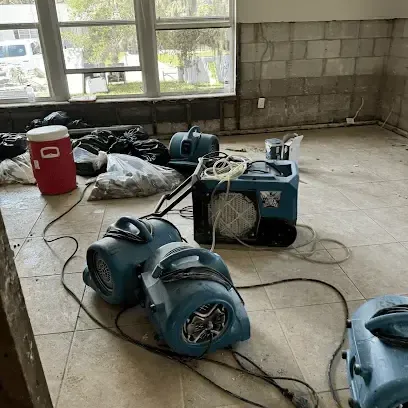
What to do right now about structural drying
- Complete extraction
Standing water must be removed before the drying begins.
- Open the wet areas
Doors, closet panels and cavity openings let air move.
- Leave equipment running
Units run steadily, so noise and power use are part of the plan.
- Allow the visits
Daily checks keep the plan accurate until every reading passes.
Why the first day matters
After extraction, structural drying uses air movement and dehumidification to dry framing and subfloors. Surface water is only part of the story, because wood, drywall and insulation hold moisture long after they feel dry. Dense materials such as subfloor and framing take longer than carpet.
How the restoration team handles structural drying
Readings before equipment
Moisture is mapped first, so the drying plan follows what is actually wet instead of what looks wet.
Drying inside the structure
Air is driven into wall cavities, subfloor and framing, because a dry-looking surface can still hold water behind it.
A file built for the adjuster
Daily moisture logs and timestamped photos go into the record an insurance adjuster reviews.
What does structural drying cost in Damascus, OR?
Structural drying usually runs $1,200 to $18,000, driven by the number of rooms, the materials involved and how many days of equipment are needed.
- A single wet zone only
- Only a few units needed
- Short drying period overall
- Many wet surfaces across rooms
- More air movers
- Several days of drying
- Dense, slow drying materials
- Specialty drying methods used
- Extended daily monitoring
Ranges are typical, not a quote. The water category, the square footage, the material class and how fast drying started move the number most. The water damage cost calculator gives a planning range before the walkthrough.
The structural drying dry-out, stage by stage
Equipment counts change with the class of the loss; the four stages and the readings never do.
- STAGE 01
Place
Units go where the meters point.
First reading - STAGE 02
Run
Equipment runs between daily checks.
Water pulled - STAGE 03
Adjust
Units move as areas dry.
Halfway dry - STAGE 04
Release
The goal is met and the equipment goes.
Dry standard met
How equipment is placed
Air movers push dry air across wet surfaces while dehumidifiers pull the moisture out of the room. Placement follows the meter readings, with units aimed at wall bases, cavity openings and the lowest wet spots.
- Air movers are aimed at the wettest surfaces
- Dehumidifiers remove the moisture that evaporates
- Cavity openings let air reach framing
Why readings repeat
Each visit brings fresh meter numbers on the same spots. The crew moves or removes equipment as areas pass, and no room is declared finished until the last reading matches the goal.
What the report shows
A drying log lists the dates, equipment and readings for each room. Adjusters use it to see the work was necessary, and homeowners keep it as a record of how the structure dried.
Outside references: ready.gov flood safety steps and EPA WaterSense leak and fixture advice.
Structural drying across Damascus and nearby communities
Structural drying runs in homes across Damascus, from Carver and Bohna Park to Alder Springs and the Highway 212 corridor, with equipment placed after readings show where the wet zones are.
The same service nearby: structural drying in Happy Valley, Oregon City, Portland.
Related water damage services in Damascus
Questions about structural drying
Why must the equipment run all day and night?
Drying depends on steady airflow and dehumidification. Turning it off lets moisture return to the air and slows the whole job.
How does the crew know the structure is dry?
Meters compare wet spots with dry reference readings in the same material. When they match, the material is dry.
Can wood floors be dried in place?
Often, with drying mats and patience, when cupping is caught early. Readings tell whether the boards can stay.
Will the house feel humid during drying?
The room can feel warm and noisy for a few days. Dehumidifiers pull the moisture into collection, so the air should feel drier over time.
Is structural drying the same as extraction?
No. Extraction removes liquid water, while structural drying removes moisture held inside the materials.
Surface looks dry?
Crews read the framing, place the equipment and keep drying until every number passes.
(888) 373-8814Begin the structural dry down