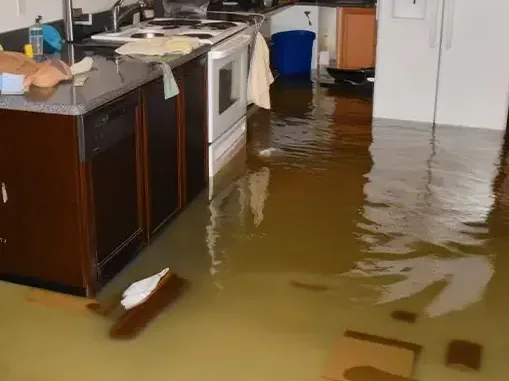
Johnson Creek runs through Gresham, Portland and Milwaukie on its way to the Willamette River. When it crests, creek water can enter homes in the Lents area and nearby neighborhoods, and the cleanup begins with a different kind of water than a burst pipe.
Key takeaways
- Creek flood water carries mud, bacteria and debris, so it is treated as contaminated.
- The National Weather Service flood stage for Johnson Creek at the Sycamore gauge is 11 feet.
- On December 7, 2015 the creek reached 15.33 feet at Sycamore, the highest level measured there.
- Wet porous materials such as carpet, pad and lower drywall are normally removed, not dried in place.
- Photographs and notes taken before removal help with insurance and with planning the rebuild.
What makes creek flood water different
A leak from a supply pipe starts out clean. Flood water from a creek does not.
Johnson Creek flows through sediments left by glacial floods on a base of basalt, and about 40 percent of the original tributaries in its watershed were piped or relocated during urban development. By the time water reaches a house, it has crossed streets, yards and storm drains.
- Mud and silt coat floors, wall bases and the underside of cabinets.
- Bacteria from runoff and sewer overflow can ride along with the water.
- Oil and yard chemicals are common in water that crossed driveways.
Where the creek has reached homes
As the southeast Portland town page shows, Johnson Creek flooding mainly affects the Tideman Johnson Natural Area, the area west of 82nd Avenue, Lents and lower Powell Butte. Veterans Creek begins in Happy Valley and joins Johnson Creek in the Lents area.
The creek reached flood flow 37 times between 1941 and 2006, and at least seven of those floods caused major property damage. Years later the East Lents Floodplain Project finished in late 2012, and the Foster Floodplains Natural Area now holds 63 acres of reclaimed floodplain.
Steps once water is inside
The first goal is to keep people safe and to get the water out before it soaks further.
Safety first
The power to the flooded area should be off before anyone walks in. Wading through flood water with live circuits is a real hazard.
Skin contact is reduced with boots and gloves, and food that touched the water is thrown out.
Fuel, propane tanks and household chemicals can also float or spill in flood water, so containers that moved should be left where they are until the area is checked.
Record the damage
Photos of the water level on the walls, the mud lines and damaged belongings help later.
- Photograph each room before anything is moved.
- Note the water line height with a measuring tape in a picture.
- List major items that were in the water, with approximate values.
- Keep damaged items until the insurer has approved their disposal.
How removal and cleanup work
The crew starts with water extraction: pumps for depth and wet vacuums for the remainder. Mud is shoveled and removed before drying begins, because drying equipment over silt only bakes the dirt into the surface.
Porous materials that touched flood water are cut out and bagged, which is a core part of storm flood cleanup in southeast Portland. That includes carpet, pad, insulation and drywall below the water line, and it is normally the case even when the water looks clear.
Floor drains and wall cavities are checked for silt. Silt left in a drain or under a vanity dries into a crust that smells and holds moisture.
- Standing water is pumped out and the floor is vacuumed.
- Mud and debris are removed from floors, walls and crawl spaces.
- Wet carpet, pad and lower drywall are removed.
- Hard surfaces are washed and treated before drying.
Cleaning, disinfecting and disposal
Hard surfaces that touched flood water are washed and treated with an antimicrobial product after the mud is gone. The goal is to remove the film that bacteria live in before the surface is closed up again.
Items are sorted into three groups: those that can be cleaned in place, those that can be cleaned off site and those that must be thrown away. Upholstered furniture, mattresses and stuffed items that sat in flood water are normally in the last group.
Disposal of heavy debris needs planning, because wet drywall and carpet weigh far more than dry material. A crew bags and carries debris out so that it does not stack up in the house.
- Hard floors and cabinet frames are washed and treated.
- Appliances that touched water are checked by a technician before use.
- Photograph discarded items before they leave the property.
- Keep a list of lost items and their approximate age for the claim.
Drying and checking the structure
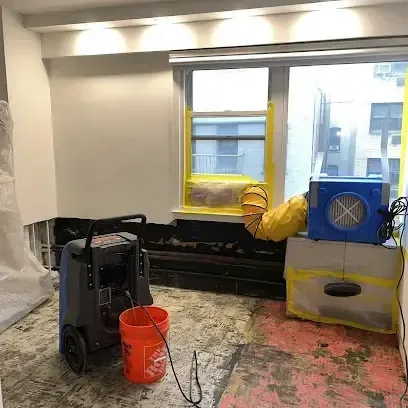
After cleanup, the structure still holds water in framing, subfloor and concrete. A storm water flood cleanup plan includes drying with air movers and dehumidifiers and daily readings until the wood and slab are back to normal.
Hidden spaces such as wall cavities, cabinet toe kicks and floor drains can keep moisture long after the room looks fine, so the crew opens them and checks.
Why local water history matters for planning
Southeast Portland homes near the creek are in a place with a long flood record. Terraces north of Johnson Creek sit on permeable sand and gravel, and a wetland that once covered part of the area between Powell Boulevard and the creek has been filled and built on.
Owners who know the crest numbers can compare a forecast with the Sycamore gauge and move belongings up before water arrives.
- Know the flood stage of 11 feet at the Sycamore gauge.
- Keep valuables and records on upper shelves.
- Keep photos of the home before a storm for insurance.
Checking the next forecast
Johnson Creek rises when long rain follows wet ground. A watch of the National Weather Service gauge at Sycamore gives a household a sense of whether the creek is rising toward the 11 foot flood stage.
On December 7, 2015 the creek went well above that mark, which shows that crests can exceed stage by several feet. Preparation can start before the gauge hits the stage.
The Foster Road and 111th Avenue fill sends runoff from a 9-square-mile area of Lents and Powellhurst-Gilbert to sumps where it soaks into the ground, so the same storm that raises the creek also loads those sumps.
- Move valuables to upper shelves before heavy rain.
- Keep a list of shutoffs for water, gas and power.
- Know which exits and routes stay passable during high water.
- Keep insurance papers where they can be reached quickly.
Questions
Is Johnson Creek flood water safe to touch?
No. It can carry bacteria, mud and oil, so skin contact is limited and protective gear is worn during cleanup.
Can wet carpet be saved after creek water?
Usually not. Carpet and pad that touched flood water are normally removed because they hold contaminants.
What was the highest level Johnson Creek reached at Sycamore?
On December 7, 2015 it reached 15.33 feet at Sycamore, the highest level measured there.
How is a flood different from a burst pipe for cleanup?
A burst pipe starts with clean water and can often be dried in place. Creek flood water carries mud and contamination, so materials are removed and surfaces are cleaned first.
Why does the post mention Veterans Creek?
Veterans Creek begins in Happy Valley and joins Johnson Creek in the Lents area, so runoff from higher ground feeds the same creek system.